Why Seasonal Weather Matters for Roofing in Kansas City MO
Weather in Kansas City changes fast, and your roof feels every bit of it. From bright summer sun to icy winter winds, it’s the kind of year-round push and pull that gradually wears things down. That’s why taking care of your roof isn’t just about big storms or obvious damage. It’s about knowing how each season plays a part and staying ahead of it. When it comes to roofing in Kansas City, MO, timing and preparation really matter, especially as colder months start to roll in.
How Kansas City Weather Impacts Your Roof Over Time
Living here means we experience just about everything: heat, cold, rain, and snow. Your roof works through it all, and every season adds its own kind of stress.
• Hot summers can cause shingles to curl or crack. Over time, UV rays dry things out, making materials more brittle.
• Cold winters add another layer of trouble with the freeze-thaw cycle. Water sneaks into small cracks, freezes, expands, then melts again. That movement slowly breaks things apart.
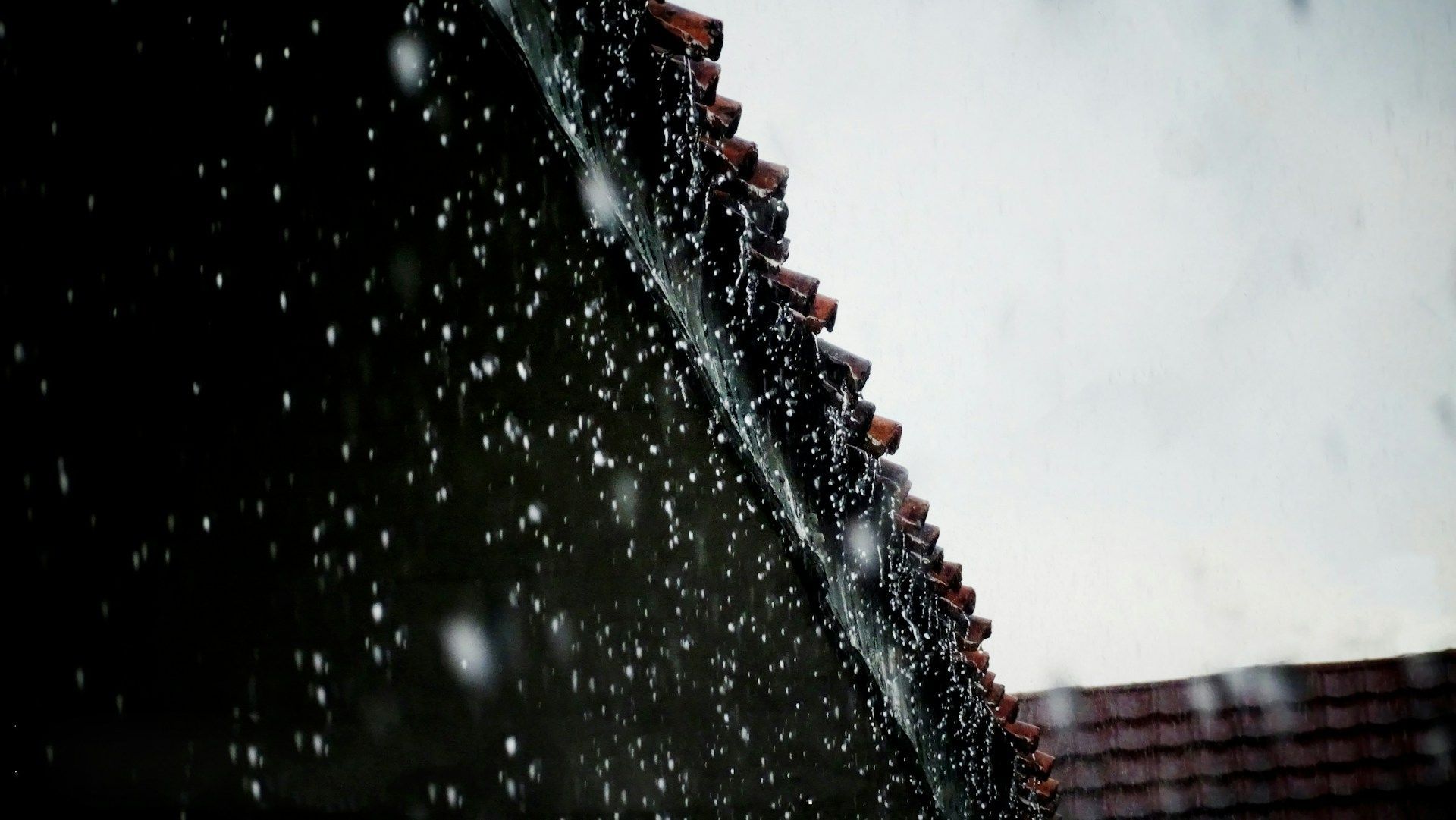
• Spring rains and sudden thunderstorms put your roof’s seals and drainage to the test. If there are weak spots, this is when you’ll start to notice leaks or damp attic air.
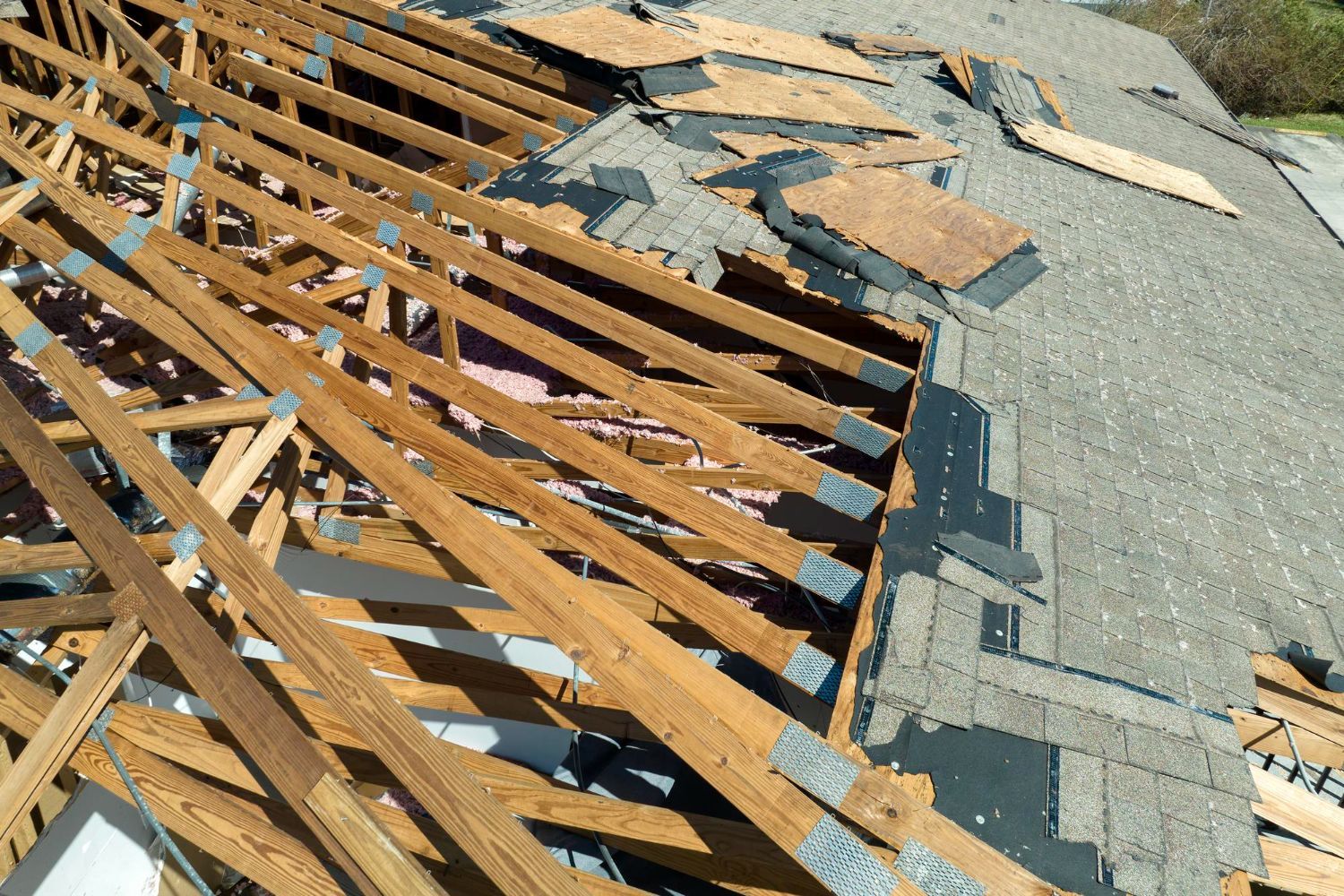
• We also see hail and strong winds blow through Kansas City a few times a year. Hail can dent or loosen materials. Gusts can pull shingles right off if they’re already old or damaged.
The tricky part is, a lot of this damage isn’t visible from the ground. It can build up without much warning.
Kansas City’s weather patterns keep things unpredictable throughout the year. One month might be warm and rainy, while the next brings a sudden cold snap. Shingles and roofs that seem just fine in July might suddenly show their age in October or November when temperatures take a sharp dip. Because weather changes happen so quickly, roofs don’t get much of a break, and small signs of aging become bigger concerns fast. Even small cracks, dents, or a bit of missing sealant can become weak points once the seasons shift. When these little issues go unchecked, they slowly build up until a larger repair is needed.
It’s easy to overlook how each season works together to wear down a roof little by little. The summer heat leaves surfaces more brittle, which makes them less flexible during winter’s temperature swings. Spring’s storms come right after months of freezing and thawing, putting pressure on anything that might have started to split or shift. Over several years, these cycles add up, and homes in Kansas City often need more frequent roof care than people expect.
Why Fall Is a Smart Time to Check or Replace a Roof
Fall gives you a window between hot and freezing weather, and that’s when roofs are easier to assess and repair. Heading into December and January, work slows down because of snow, ice, and shorter daylight.
• Late fall is when many homeowners realize winter is coming fast. It's the last chance to get quick repairs done before conditions shift.
• Cold weather makes roofing harder. Materials don’t seal the same way, and shingles become tougher to handle. Crews have to take extra care during icy conditions, which can delay the work altogether.
• Spotting a small crack now means you can patch it before snow finds its way in. Once that water freezes inside materials, it creates bigger problems.
Planning ahead in the fall keeps issues small and manageable. It’s easier to prevent damage than repair what winter leaves behind.
Trying to schedule work once the cold sets in is a challenge. Crews may have to stop and start or wait out the weather, and jobs that are usually quick can stretch out much longer. Planning for roof repairs and replacements during fall means the materials get the best chance to set and seal, and crews can move safely and efficiently without rushing. Homeowners find that when they schedule inspections and repairs during this season, projects finish on time and roofs stand up stronger against the cold and snow when it finally arrives.
For most homes, catching a problem before the holidays also allows plenty of time for cleanup. That way, nobody faces emergency leaks or big surprises right after the first real snow hits. A little planning in the fall brings a lot more peace of mind all winter long.
The Risks of Ignoring Seasonal Roof Damage
Letting roof issues sit too long can turn what would have been a quick fix into something much harder to manage. Around here, those leftover fall storms and early snowflakes can take a toll quickly.
• Cracked flashing and missing shingles leave paths open for water, which can seep into the attic and walls.
• Over time, that moisture builds up. You might not notice it until mold spreads or insulation starts losing its strength.
• Water can travel in ways you wouldn’t expect, ruining drywall or dripping onto light fixtures. It’s not just about puddles; it’s about everything that water touches once it’s inside.
Kansas City homes get hit from every angle, weather-wise. Waiting too long can mean living with lasting damage long after the weather clears up.
Ignoring seasonal wear puts more than just the roof at risk. When insulation gets wet, energy bills rise because heating and cooling systems have to work harder to keep up. Water and mold can also trigger health problems inside the house. Even if there are no visible signs at first, the effects of a leaking or weakened roof can show up weeks or months later in the form of peeling paint, warped ceilings, or a musty smell indoors. Making small repairs as soon as issues are found is one of the best ways to avoid bigger headaches in the middle of winter.
In the worst cases, water damage causes more harm outside the roof and attic. Drywall and ceilings might sag, wooden beams can rot, and even the electrical system is at risk if leaks make it that far. These are problems no homeowner wants to face, particularly during winter, when repairs become much harder and more expensive to complete.
How Professional Roofers Prepare for Seasonal Changes
Handling roof work in late fall isn’t just about racing against the weather. It takes the right tools, materials, and timing to do it right.
• A proper inspection can bring attention to things you might not catch from the driveway, like loose flashing, sagging parts, or patches missing gravel.
• We look for signs the roof is nearing the end of its life or where small problems could grow once ice sets in.
• The materials we choose now need to work with lower temperatures and hold up through snow, wind, and ice. Timing matters, too. Waiting too long could mean we’re stuck scheduling work during a freeze.
Having a plan makes a difference. It puts us ahead of the season instead of battling through it.
A seasonal inspection by a professional gives peace of mind because we know exactly what shape the roof is in. We understand where weather usually hits hardest on Kansas City homes and can find trouble spots that aren’t easy to see. While some repairs are simple, others, like replacing rotten wood or resealing valleys, require a specific skill set or equipment that homeowners may not have. Using the right process and materials helps roofs last longer and makes sure small problems don’t return.
Safety is a big part of working in late fall, too. Shingles can be slippery, and sudden changes in temperature can make surfaces more brittle. By using proper tools and following trusted procedures, we handle repairs efficiently and safely, without leaving things half done if the weather takes a sudden turn. This expertise and care are especially important when time is short before winter begins.
What to Expect When Planning Roof Work Before Winter
If you haven’t had a roof check yet, mid to late fall is a steady time to start. Most jobs follow a few clear steps.
1. We start with a full inspection, walking the roof, checking indoors, and looking at gutters and flashing.
2. If repairs or replacement are needed, we schedule the work around weather forecasts to avoid snow or heavy wind.
3. While working, we prep for shorter daylight and cooler air. That means staying flexible with timing and planning crews carefully to stay on track.
4. Once the roof is sealed and cleaned up, we make sure debris is cleared from gutters and around the house. That last step helps prevent ice buildup and drainage issues during snowmelt.
By scheduling earlier in the fall, there’s more room to adjust and avoid rushing before winter fully sets in.
From your side, the process is straightforward. We explain what we find, share photos, and talk through the next steps. There’s plenty of time to ask questions or discuss options for materials and finishes. Most times, crews can finish simple repairs in a day or two, while larger jobs like a full replacement can take a few additional days. Cleanup is part of every step, so nothing is left behind to cause trouble when the snow starts falling.
Planning in mid or late fall often means scheduling goes faster, too. There is less demand than during peak storm seasons, so crews are more available and the work flows smoothly. Taking a proactive approach makes it less stressful when cold fronts finally arrive. The end goal is to make sure your home stays safe, warm, and comfortable no matter what the season brings.
Help Your Roof Stand Strong Through Every Season
A strong, well-maintained roof is key to protecting your home and those inside it. At T-Mac Construction, we offer a full range of roofing services, including detailed inspections, repairs, and new roof installations throughout the Kansas City Metro area. Our experienced team uses quality materials suited for Midwest winters, and we’re fully equipped to handle both residential and commercial roofing projects.
Late fall is one of those important windows where we can catch problems before they turn worse. Making the time for a check in November can protect your home through the colder months and help avoid bigger cleanup come spring. Staying ahead of the weather matters, especially when it shifts as fast as it does around here.
You can see how we handle all parts of
roofing in Kansas City MO before bad weather sets in. Contact us today to schedule your inspection or talk about what your roof might need next.