Kansas City Commercial Roof Emergency Plan: Vendors, Tenants, Leak Mitigation
Protecting Your Roof Before the Next Kansas City Storm
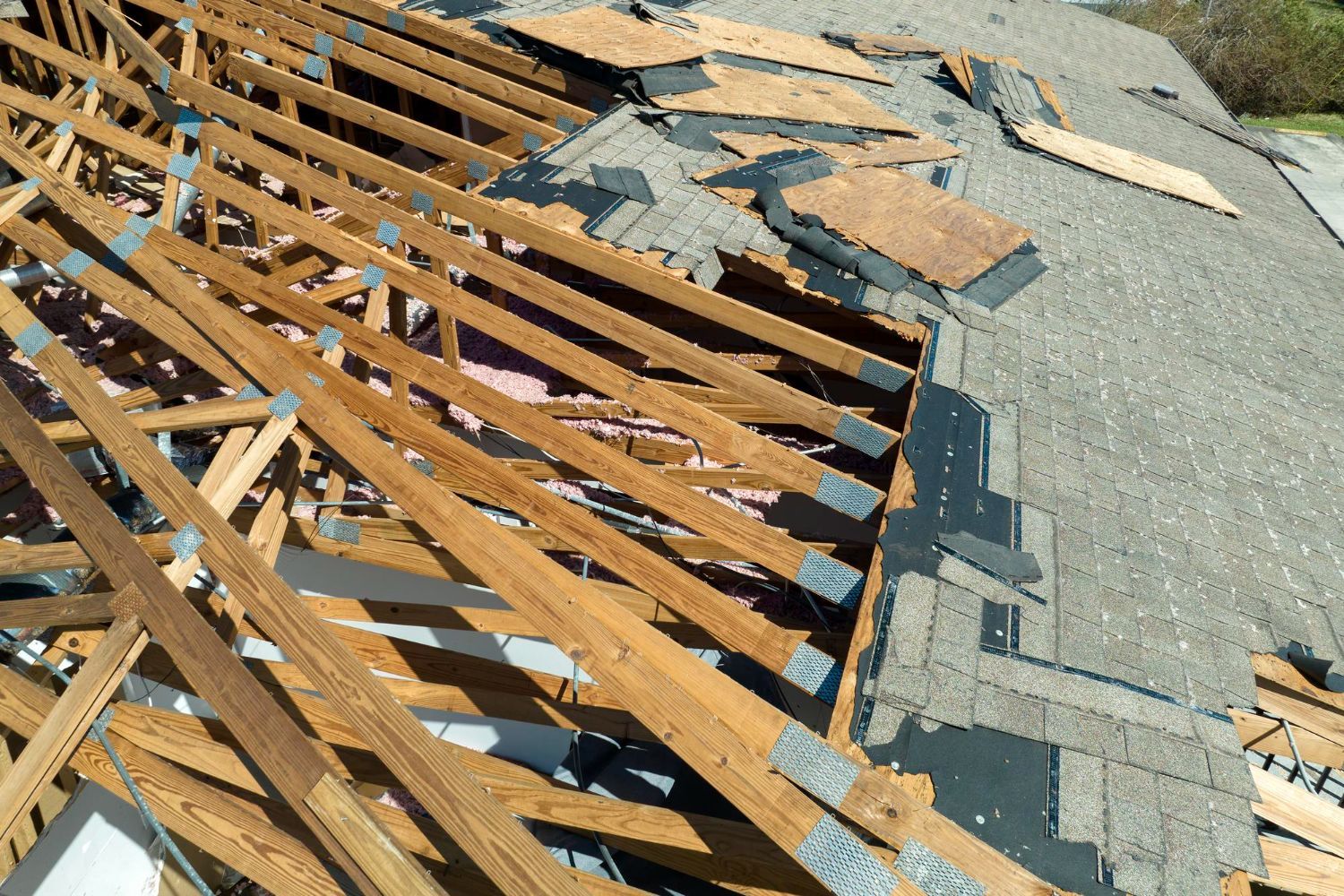
Strong thunderstorms, hail, and high winds can move across Kansas City fast. Commercial roofs take the hit first, and when they fail, water can spread through offices, warehouses, and retail spaces in minutes. Without a plan, you end up scrambling in the dark, trying to protect tenants, inventory, and equipment while the rain keeps coming.
An emergency response plan for your commercial roof keeps that chaos under control. With clear steps and the right partners, you can cut downtime, limit damage, and keep your building safe until full repairs are made. At T-Mac Construction, we work on commercial roofing in Kansas City every day, so we see how much smoother things go when property teams plan ahead for storms.
Building a Pre-Storm Plan with Your Roofing Vendor
A strong emergency plan starts before the clouds build. Work with your roofing vendor early, while the sky is still clear, so everyone knows what to do when the first alert hits.
Start by putting a written emergency service agreement in place. That agreement should spell out priority response terms, include 24/7 contact numbers, confirm the service area in the Kansas City metro, and set target arrival windows after a storm.
Next, schedule a pre-season roof assessment. This should include a walk-through of the full roof system, notes on aging or brittle membranes, flashing and rooftop equipment curb checks, drain and gutter condition, and photos along with a simple roof map showing access points. That roof map is a big help during a storm response because it shows where units, drains, and known weak spots are, so crews do not waste time hunting for leak sources.
From there, work with your vendor to build a site-specific storm response protocol so they can move fast and safely. Include key operational details like:
- Clear roof access instructions and parking areas
- A current key-holder and contact list
- Safety rules for your site, including any special training needed
- Preferred temporary repair methods based on your roof type
When this is written down, a crew from T-Mac Construction or another trusted vendor can show up, review the plan, and start work right away.
Coordinating Operations, Facility, and Property Management
Even the best roofing partner cannot help if your internal team is unorganized. Your emergency plan should spell out who does what so there is no confusion, especially during off-hours when decisions need to happen quickly.
Make sure responsibilities are clearly assigned, including:
- Who calls the roofer and other vendors
- Who updates tenants or department leaders
- Who manages access for emergency crews
- Who reports to ownership or corporate staff
You should also create a storm readiness file that stays updated and can be reached even if the office is closed. Keep both a digital copy and a printed binder stored off-site or in a secure location. That file should hold:
- Roof plans and recent inspection reports
- Roof warranties and key installation details
- Insurance policy basics and claim contact info
- Leak history and photos if you have them
- Vendor and internal contact lists
Finally, talk through budget and approval rules before storms hit so no one is guessing during an emergency. It helps to define spending thresholds for emergency work, which managers are pre-approved to give the go-ahead, and what photos and notes your insurer will want to see. When everyone understands these limits and duties, you avoid delays during a storm and get needed work started faster.
Clear Tenant Communication Before, During, and After Storms
Tenants do not like surprises, especially when water is dripping near computers or inventory. Good communication lowers stress and helps them protect their own spaces while you manage the roof.
Before storm season, share simple, direct messages that explain:
- How to report leaks or ceiling stains
- What photos to take of damage in their area
- Where to move valuable equipment, files, or stock
- What parts of the building might be off-limits after a storm
During active weather, it helps to rely on one real-time channel so updates stay consistent and easy to track. Many property teams use:
- Email templates for storm alerts and updates
- Text alerts for urgent notes like access limits or power issues
- A tenant portal or shared page for status updates and repair timelines
After the storm, follow up in a consistent way. Ask tenants to report any leaks they saw and where water came through, any damaged ceiling tiles, flooring, or finishes, and any new odors or signs of hidden moisture. Then, send a short summary of what your roofing vendor found, what was done for temporary repairs, and what longer-term fixes or inspections will come next. This builds trust and shows that the building is being managed with care.
Temporary Leak Mitigation Steps for Facility Teams
When water gets inside, your first job is to keep people safe and limit interior damage until roofing pros can arrive. Focus on simple, safe steps. Interior response often includes:
- Marking off wet floors to prevent slips
- Turning off or protecting electrical equipment near leaks
- Moving furniture, files, and inventory out of the drip path
- Using trash cans, drip pans, or buckets to catch water
- Laying plastic sheeting or tarps over important items
Avoid opening ceilings or cutting into finishes unless directed by a professional. Disturbing materials can create more problems if there are hidden hazards.
For the exterior, non-roofers should be very cautious. In many cases, it is safer to stay off the roof and wait for trained crews, especially if there are strong winds or active lightning; you see loose debris, fallen branches, or damaged equipment; there is ponding water that hides the roof surface; or fasteners or metal edges appear lifted or exposed.
If it is safe to do so from the ground or from inside, take photos of interior leak locations, ceiling stains or active drips, and any visible exterior damage you can see from the ground. Share these photos, along with notes on roof access points and locked areas, with your commercial roofing vendor in Kansas City. When a team like T-Mac Construction shows up, they can bring the right materials and safety gear on the first trip.
Partnering with a Local Expert for Faster Roof Recovery
Storms around Kansas City often follow similar patterns, and local construction teams get used to how certain roof types handle hail and wind. Working with a nearby partner that understands common building designs and local code requirements can speed up both temporary and long-term repairs.
A good next step is to set up a pre-storm roof inspection and planning session for each property. During that visit, your roofing partner can:
- Review the age and type of each roof system
- Flag problem areas that are likely to leak under stress
- Talk through how different tenant uses affect risk
- Help refine your emergency response checklist and contact tree
At T-Mac Construction, we focus on quality craftsmanship and client satisfaction for both commercial and residential projects, including roofing work around the Kansas City area. When property teams plan ahead and coordinate with a trusted local vendor, they are better prepared to protect tenants, limit business interruption, and extend the life of their commercial roofs, even when the next big storm rolls through.
Get Started With Your Project Today
If your property needs reliable protection, our team at T-Mac Construction is ready to help you choose the right solution for
commercial roofing in Kansas City. We will evaluate your building, walk you through your options, and provide a clear, detailed plan before any work begins. To schedule a consultation or request an estimate, simply
contact us and we will follow up promptly.