Post-Storm Commercial Roof Damage Checklist for Kansas City

May 5, 2026

Protect Your Commercial Roof Before the Next Storm Season


Strong hail, high winds, and heavy rain can beat up a commercial roof in just one afternoon. In Kansas City, late spring storms are a regular part of life, and flat and low-slope roofs often take the hardest hits. When damage goes unchecked, small problems can quickly spread into big ones.


Roof leaks do not stay in one spot. Water travels, soaking insulation, ceiling tiles, walls, and flooring. That can lead to slipped schedules, closed work areas, damaged stock, and headaches with insurance if there is no clear record of what happened and when. Acting fast and acting in an organized way protects both your building and your business.


This checklist is built for Kansas City property and facility managers who want a clear plan after a storm. We will walk through what to check, what to document, what to stabilize right away, and when to call a team that understands commercial roofing in Kansas City for emergency support.


Safety First When Inspecting Post-Storm Roof Damage


Before anyone thinks about climbing a ladder, safety comes first. No roof is worth an injury. Do not send untrained staff onto the roof, especially right after a storm when surfaces are slick and debris is loose.


From the ground and inside the building, you can still get an early sense of what is going on. Start with a slow, careful walk around the property. Look and listen.


From a safe position, check for:


  • Visible debris on the roof, like branches or metal
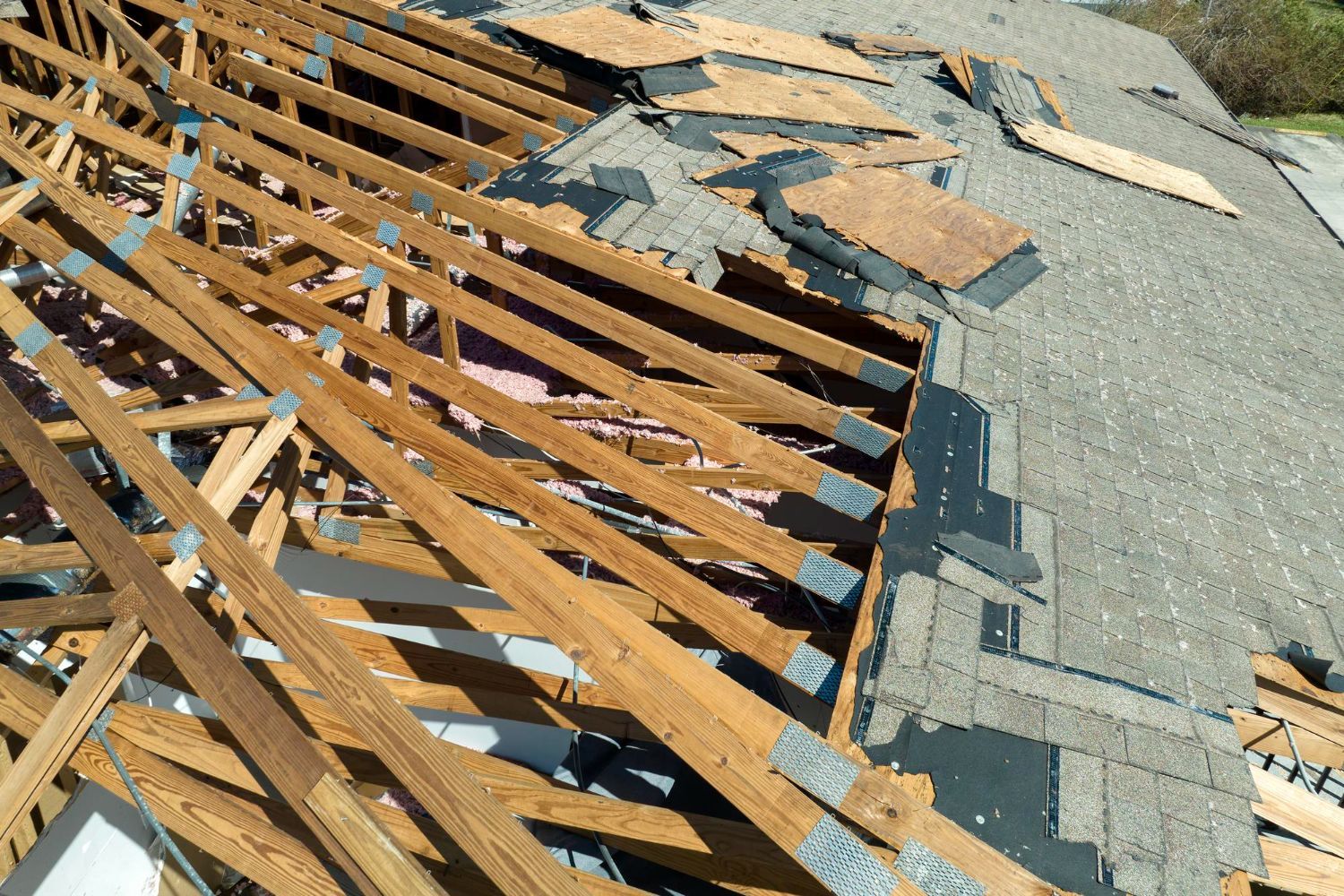
  • Detached or hanging roofing materials
  • Bent or missing metal edging
  • Downed power lines or damaged utility connections


Inside the building, keep an eye out for:


  • New ceiling stains or brown rings
  • Dripping water, active leaks, or damp drywall
  • Warped ceiling tiles or sagging sections
  • Wet flooring or slick entryways


Stop and call professionals right away if you notice:


  • Structural movement or major ceiling bulges
  • Strong mold or mildew odors appearing quickly
  • Fast leaks near electrical panels, server rooms, or key equipment
  • Areas of the roof or ceiling that appear to be sagging or shifting


If anything feels unsafe or unstable, keep people out of that area and wait for trained help. Your first checkpoint is always protecting your team and tenants.


Post-Storm Roof Damage Checklist You Can Use Today


Once you are sure everyone is safe, it is time for a more methodical look. Even without going onto the roof, you can create a useful first assessment that helps your roofing contractor focus on the right spots.


For the exterior, from ground level or safe upper windows, look for:


  • Missing or lifted membrane on flat roofs
  • Torn or punctured areas, often from hail or flying debris
  • Damaged or loose flashing around HVAC units, vents, and skylights
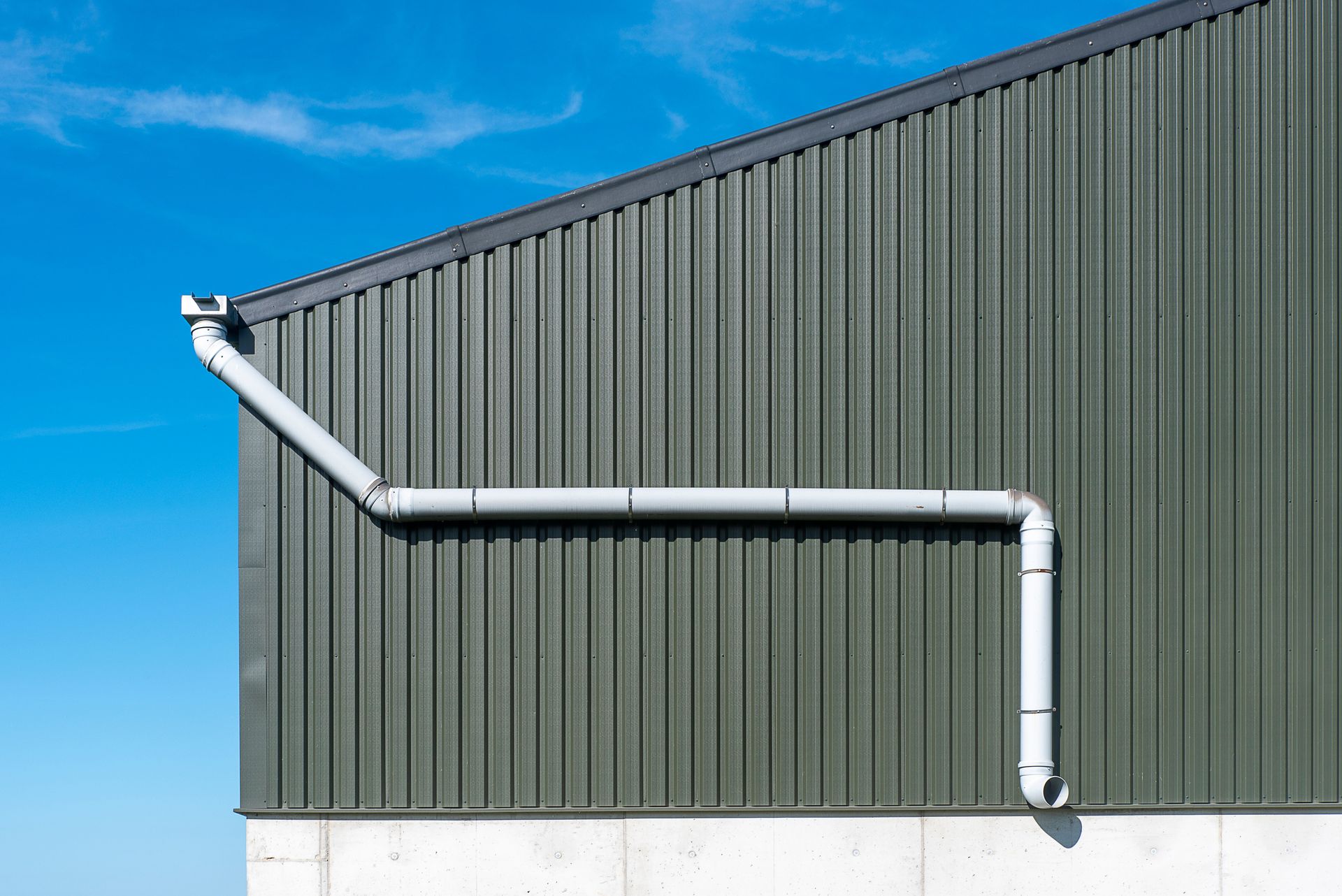
  • Gutters and downspouts that are bent, pulled away, or overflowing
  • Standing water that was not there before the storm


Inside the building, hidden issues often show up before you can see the actual roof damage. Walk through offices, hallways, storage rooms, and mechanical spaces.


Watch for:


  • New ceiling stains or streaks down walls
  • Peeling paint or bubbling wall surfaces
  • Damp or sagging insulation above drop ceilings
  • Water pooling near windows, interior doors, or baseboards
  • Musty or damp odors, especially in low-traffic areas


Create a simple written log as you go. Include:


  • Date and approximate time of the storm
  • Type of storm, such as hail, high wind, or heavy rain
  • Each issue you notice and where it appears in the building
  • Any effect on operations, such as closed rooms or equipment at risk


This log becomes the starting point for your insurance claim and your conversation with a contractor who understands commercial roofing in Kansas City weather.


What to Document for Insurance and Roof Warranties


Insurance policies and roof warranties often require timely, clear reporting. The better your documentation, the easier it is for adjusters and roofing professionals to understand what happened and what needs to be done.


Focus on both photos and written notes. You do not need fancy gear, just a phone with a camera and a careful approach.


Key photos and videos to capture:


  • Wide shots of the overall roof from safe vantage points
  • Close-ups of punctures, blisters, tears, or split seams
  • Dented metal panels or bent coping and edging
  • Damaged rooftop units, such as HVAC curbs or vent housings
  • Clogged, broken, or backed-up drains and scuppers
  • Interior water spots, damaged ceiling tiles, or wet flooring
  • Any temporary measures you have already put in place


Keep your evidence organized:


  • Use timestamped photos and short video clips
  • Sketch a simple roof diagram and mark where damage appears
  • Keep copies of past roof maintenance records nearby
  • Save any emails or letters to and from your insurance contact


When your contractor arrives, this organized record saves time and helps guide a focused roof inspection.


Temporary Mitigation Steps to Limit Further Damage


After a storm, your goal is to stabilize the situation, not rebuild the roof by yourself. Temporary mitigation is about slowing the damage until professionals can safely step in.


Safe short-term steps inside the building can include:


  • Moving equipment, documents, and inventory away from leak areas
  • Placing buckets or containers under active drips
  • Laying plastic sheeting or tarps over sensitive items
  • Using caution tape or signs to block off wet or slippery zones


Avoid climbing onto the roof or cutting into materials. DIY repairs can create new points of failure, hide problems, or affect warranty coverage.


When professional roofing crews arrive, they may:


  • Install emergency tarps or temporary patches over damaged areas
  • Clear drains and gutters to reduce ponding water
  • Secure loose metal edges or flashing that could tear away in the next wind
  • Cover or seal openings around rooftop units until full repairs are planned


These steps are meant to buy time and prevent additional water from getting into the building while a long-term repair plan is developed.


When to Call for Emergency Commercial Roof Repairs


Some problems cannot wait for a standard service visit. Knowing the trigger points for emergency help can protect your building and limit business downtime.


Call for urgent commercial roof support if you notice:


  • Rapidly spreading leaks in multiple rooms or floors
  • Visible daylight through the roof deck or around mechanical units
  • Roof sections lifting, fluttering, or making new noises in the wind
  • Large clusters of hail impact marks or obvious surface bruising
  • Damage near critical systems like electrical rooms, data centers, or medical equipment


A dependable Kansas City roofing contractor should respond quickly with:


  • A prompt on-site assessment of both roof and interior
  • Clear photos and notes of the damage and risk areas
  • Temporary stabilization to control water and protect people
  • An honest discussion about repair versus replacement options


As a local Kansas City construction company, T-Mac Construction is familiar with the kinds of storms our area sees and how they affect commercial roofs of many types. Our focus is on quality craftsmanship and straightforward communication so you know what is happening at every step.


Schedule a Pro Roof Assessment Before the Next Storm Hits


A checklist only helps if you put it to use. Keep a printed copy with your emergency plan or facility binder. Share it with your staff so everyone knows what to look for, how to stay safe, and what information to collect after a storm passes.


Planning ahead for the next severe weather cycle gives your building a better chance to ride out future hail and wind. A professional commercial roof evaluation can spot weak points, aging materials, and drainage issues before they turn into leaks during the next big storm.


Having a trusted commercial roofing partner in Kansas City in place means you are not scrambling for help when the skies turn dark. With T-Mac Construction, you can prepare, respond, and repair with confidence so your roof keeps doing its job and your business keeps moving.


Get Started With Your Project Today


If your building is ready for a roof repair, replacement, or new installation, our team at T-Mac Construction is here to help you protect your investment. Explore our
commercial roofing in Kansas City services to find the right solution for your property and budget. We will walk you through your options, provide a clear estimate, and schedule work that fits your timeline. Have questions or need a quote now? Simply contact us to get started.

new build construction
June 10, 2026
Compare cost, schedule, and risk factors for commercial construction in Kansas City when choosing design-build or design-bid-build for your project.
summer remodel
June 4, 2026
Explore summer remodel ideas inside and out with T-Mac Construction, your residential construction Kansas City expert for quality, innovative home upgrades.
May 27, 2026
Learn the top pitfalls owners face with commercial roofing in Kansas City and how to plan repairs, maintenance, and replacements to protect your building
room addition
May 19, 2026
Discover how room additions in Kansas City, MO can raise resale value, improve livability, and attract buyers with smart, functional upgrades.
commercial roofing in Kansas City
May 13, 2026
Learn how to prepare and respond fast with commercial roofing in Kansas City, including vendor coordination, tenant updates, and leak control steps.
commercial roofing
April 28, 2026
Learn how to compare coverage, exclusions, and terms to protect your investment in commercial roofing in Kansas City with practical warranty tips.
commercial roofing in Kansas City
April 22, 2026
Prepare for storm season with expert commercial roofing in Kansas City, including inspections, repairs, and durable materials to prevent leaks and damage.
 roofing contractors Kansas City, MO
April 14, 2026
Dealing with spring storm roof damage? Learn next steps and how T-Mac Construction’s roofing contractors Kansas City, MO, can protect your home or business.
April 7, 2026
Planning your first build? Learn the benefits, costs, and timeline of hiring a general contractor in Kansas City, MO for smoother results.
April 1, 2026
How Smarter Roofing Upgrades Protect KC Bottom Lines A commercial roof in Kansas City is more than a cover over your building. It is a working system that affects comfort, safety, energy use, and the long-term health of your property. When that system is old or stressed by weather, it can quietly drain money from your business. Smart roofing upgrades turn that liability into an asset. With the right materials and design, you can cut energy waste, avoid surprise repairs, keep tenants happy, and support the value of the building itself. As a local construction company that works on commercial roofing in Kansas City, MO, we see every day how the right upgrades protect both the structure and the bottom line. Why Kansas City Weather Makes Roofs a Strategic Asset Kansas City weather keeps roofs busy all year. We see cold winters with freeze-thaw cycles, heavy spring rains, fast-moving storms, high winds, and hot summers with strong sun. That back-and-forth pressure wears on older roofing systems, especially those that were not designed for these changing conditions. Older roofs often struggle with things like: Cracks from repeated freezing and thawing Seams that open up under thermal movement Ponding water after heavy rain Loose or damaged areas after strong wind Modern commercial roofing systems are built to handle these stresses better. Updated assemblies can: Move with temperature swings without splitting Resist wind uplift more effectively Shed water faster with improved drainage Stand up to UV exposure for longer periods When you upgrade before peak storm season, you shrink the odds of emergency repairs and surprise leaks. That can mean less downtime, fewer disruptions for tenants, and more control over when and how work happens on the building. Hidden Cost Savings Behind Modern Roofing Systems The most obvious value of a good roof is that it keeps water out. But the hidden value often shows up on your utility bill and maintenance plan. Many older roofs leak energy long before they leak water. Modern roofing setups can help: High-performance insulation reduces heat loss in winter and heat gain in summer Reflective roof membranes bounce more sunlight, which helps keep interior spaces cooler Better air and vapor control helps limit drafts and moisture getting into the building In a climate with hot summers and cold winters, this can ease the load on your HVAC system. When the building shell works with the HVAC instead of against it, you get steadier indoor comfort and less strain on the equipment. That can support fewer breakdowns and a longer service life for your heating and cooling systems. There may also be utility programs or tax incentives available for energy-efficient improvements. While details vary, many owners find that these benefits, paired with ongoing energy savings, help roofing upgrades pay off over time. Durable, low-maintenance roofing materials also help control ongoing costs. With the right system, you can: Reduce the number of service calls for small leaks and patch jobs Extend the years between full roof replacements Plan capital projects with fewer surprises That predictability is a big deal for owners and property managers who need to handle budgets across several buildings or multiple tenants. Protecting Tenants, Inventory, and Brand Reputation When a commercial roof starts failing, the damage spreads quickly. A single leak can lead to a lot more than a stained ceiling tile. Some of the real costs of roof problems include: Damaged inventory, furniture, or equipment Slip-and-fall hazards from water on floors Moisture getting into walls and ceilings that can lead to mold Noise and disruption during emergency repair work For tenants, these issues affect daily operations and customer impressions. No one wants to welcome clients or customers under buckets and tarps. Upgraded roofing helps protect interior finishes and keeps workspaces dry and comfortable, even during heavy storms. Better roofing systems can also improve: Indoor comfort by reducing hot and cold spots Noise control during rain or hail Overall tenant satisfaction with the building environment Happy tenants are more likely to stay, which supports higher retention and steadier lease income. On top of that, a building with a clean, dry interior and a well-kept exterior sends a message of professionalism to customers, investors, and employees. The roof may be out of sight, but the results of a strong roofing system are easy to see. Increasing Property Value and Financing Options A roof with known quality and documented upgrades often helps support a stronger property story. When a commercial building has a sound, modern roof, buyers and lenders see less risk and more predictability. Upgraded commercial roofing in Kansas City, MO can: Support higher appraisal values by reducing the need for near-term major repairs Make the building more appealing to potential buyers who do not want big unknowns Provide clear information about expected remaining roof life Lenders and insurers usually feel better about buildings that have lower risk of leaks and storm damage. While every case is different, a newer or upgraded roof can sometimes help with more favorable loan terms or insurance options, because the structure is better protected. Strategic upgrades also set the stage for future improvements. For example, you can: Add tapered insulation to improve drainage and reduce ponding Upgrade flashing and drainage points to move water away faster Plan a roofing system that is ready to support rooftop equipment or solar in the future Thinking ahead keeps your roofing investments working for you over a longer period and can help your property stay competitive as needs change. Why Local Expertise Matters for KC Commercial Roofs Commercial roofing is not one-size-fits-all, especially in a place with weather like Kansas City. Local experience matters when it comes to selecting materials, planning details, and handling codes and permits. A Kansas City roofing contractor who knows the area can: Recommend systems that hold up to local storms, wind, and UV exposure Plan for the way our freeze-thaw cycles affect certain materials Work within local building codes and inspection processes At T-Mac Construction, we start by understanding the roof you already have. That often includes: Detailed visual inspections of the surface and key details Checking for signs of trapped moisture or hidden damage Assessing drainage paths, penetrations, and flashing areas By catching problems early, we can help building owners choose the right path, whether that means targeted repairs, partial upgrades, or a full replacement. Our focus is on quality craftsmanship and long-term relationships. That means clear communication with owners, property managers, and tenants so everyone knows what to expect, from planning to final walk-through. As storm season approaches and temperatures start to climb, taking control of your roof is one of the smartest moves you can make for your building. A well-planned commercial roofing upgrade can protect your property, support your business, and uncover value that was hiding in plain sight right over your head. Get Started With Your Project Today If your property is ready for an upgrade, our team at T-Mac Construction is here to deliver dependable commercial roofing in Kansas City, MO tailored to your building and budget. We will walk you through your options, explain our recommendations, and provide a clear, straightforward proposal. Reach out through our contact us page today, and let us help you protect your investment with a roof you can count on.