Detect, Document, and Stop Commercial Roof Leaks in Kansas City
When Roof Leaks Threaten Your Kansas City Facility
A roof leak during a Kansas City thunderstorm can cause trouble fast. Water drips through ceiling tiles, soaks inventory, creates slippery floors, and forces you to shut down areas you depend on. What looks like a small stain can turn into damaged equipment and lost work time in a single storm.
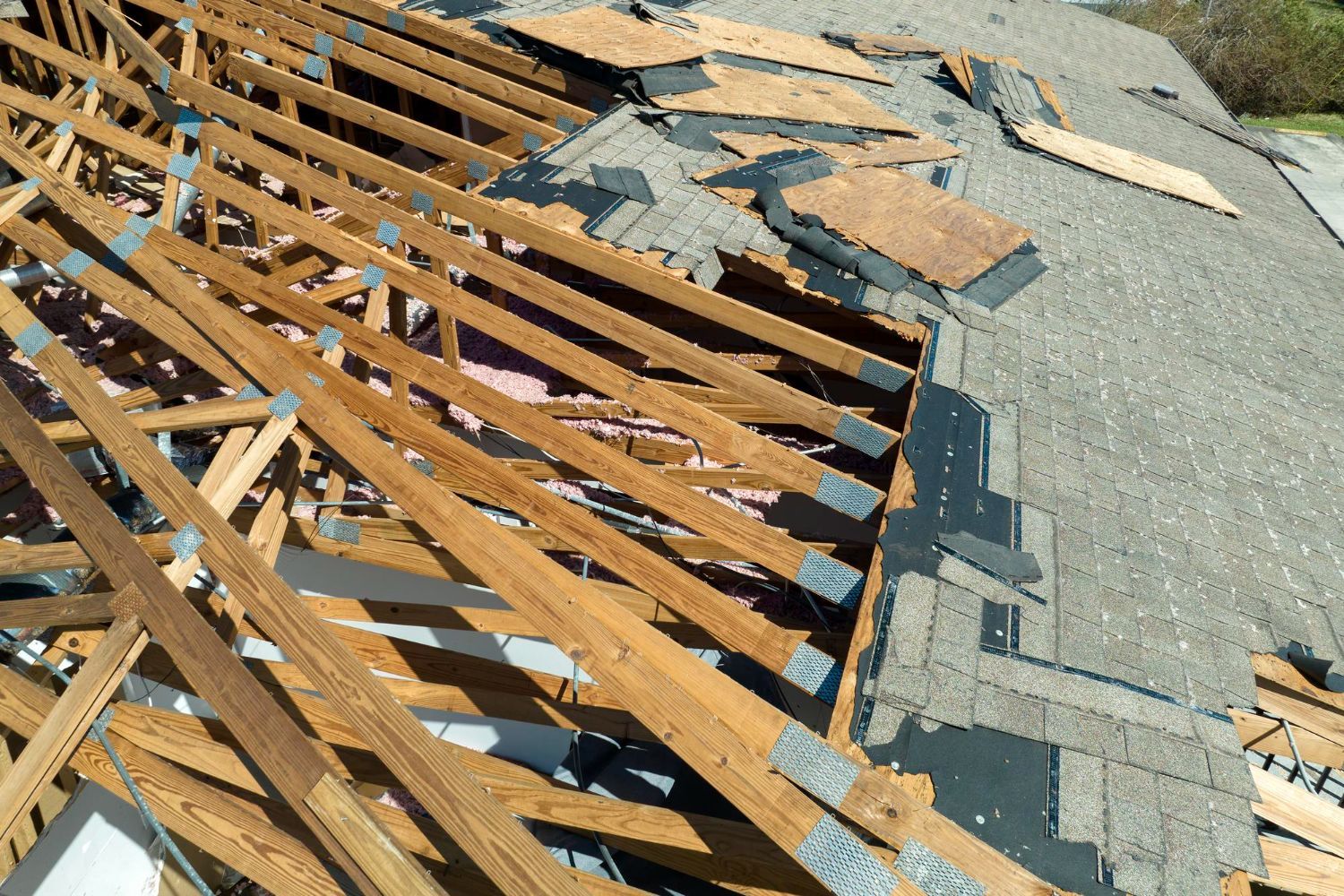
Our local climate makes commercial roof leaks especially urgent. Heavy summer rain, hail, strong winds, and repeated freeze-thaw cycles all stress your roof. Weak seams, aging flashing, and small punctures can open up without warning, then grow with every storm. If leaks are not handled quickly and correctly, they often spread, inside and out.
In this article, we will walk through a simple plan to detect, document, and limit damage from roof leaks. This is designed for building owners, facility managers, and property managers who depend on commercial roofing in Kansas City to keep people and operations safe.
Early Warning Signs Your Commercial Roof Is Leaking
Leaks rarely start with water pouring through the ceiling. They usually start with small warning signs. Inside your building, keep an eye out for:
- Brown or yellow ceiling stains
- Bubbling or peeling paint on walls or soffits
- Damp or soft drywall
- Musty odors in certain rooms or hallways
- Discolored ceiling tiles or rust on grid systems
- Unexplained mold growth along corners or behind furniture
On the roof, leaks can be hiding in plain sight. During your walk-throughs, look for:
- Ponding water that lingers more than a day after storms
- Blisters or bubbles in the roof membrane
- Gaps, cracks, or loose sections of flashing
- Open seams where roof sheets or membranes meet
- Gaps around HVAC units, vents, pipes, and skylights
- Damage at parapet walls and transitions between roof levels
In mid-summer, our hot sun heats up roofing materials, then sudden downpours cool them quickly. That constant movement can expose weak points in flat and low-slope roofs. That is why mid-summer is a smart time to do a proactive roof inspection, even if you have not seen a leak yet.
Step-by-Step Leak Investigation Checklist for Your Team
When you spot an active leak, the first goal is safety and containment. Train your team to move quickly with a simple checklist.
Start with immediate safety and control:
- Identify all active drip points and wet areas
- Set up caution cones or tape to block off slippery floors
- Move employees, customers, and high-value items away from the area
- Place buckets or catch pans under drips and switch them out as they fill
- Shut off power to affected zones if water is near lights, outlets, or equipment
Next, start tracing the leak path. Inside leaks do not always line up with the roof opening. Water can travel along beams, deck ribs, and insulation before you see it.
Have your team:
- Mark the exact interior location on the ceiling or grid
- Note what is above that spot, such as an HVAC unit, drain line, or penetration
- Follow the structure upward, from room to ceiling to deck to roof area
- Record any patterns, like leaks always showing near a certain column line
When it is safe, a roof walk-through can point you toward the source. Your team can look for:
- Open seams or loose patches above the leak area
- Punctures from debris, tools, or foot traffic
- Clogged drains, scuppers, and gutters backing up water
- Loose, bent, or missing flashing and edge metal
If the roof is slippery, the leak is large, or your crew is not trained for roof work, stop there and bring in a licensed contractor that works often with commercial roofing in Kansas City. A full diagnostic inspection can pinpoint hidden issues and keep your people off a risky roof.
How to Document Roof Leaks for Insurance and Repairs
Good documentation protects you. It helps with insurance claims, supports repair decisions, and builds a history of how your roof performs over time.
For photos and videos:
- Take wide shots of the entire affected room and roof area
- Capture close-ups of ceiling damage, wet materials, and active drips
- On the roof, photograph problem areas from different angles
- Date-stamp your files if possible and label each by building area or room number
Back this up with a written log and leak map. A simple leak log might include:
- Date and time of the leak
- Weather conditions at the time
- Building area or room number
- Visible damage and any safety hazards
- Temporary actions taken, like buckets or barriers
Use your floor plan and roof plan to mark each incident. Over time, this "leak history" map can reveal patterns, such as repeat issues near certain drains or penetrations.
When you work with insurance adjusters or property owners, they often want:
- Before and after photos
- Copies of your leak log and maps
- Contractor inspection reports
- Invoices and descriptions of repairs
Thorough records help speed up claims and support long-term decisions about repair, restoration, or replacement.
Interior Protection Plan to Keep Operations Running
While the roof issue is being found and fixed, an interior protection plan keeps people safe and your operation moving.
Start by protecting people and critical spaces:
- Put up barriers, cones, and clear signage around wet floors
- Re-route foot traffic away from affected hallways and entries
- Prioritize server rooms, production lines, showrooms, medical spaces, and food areas
- Move sensitive inventory, electronics, and paper files out of leak zones
There are several simple materials and methods for temporary protection:
- Poly sheeting "tents" hung below the ceiling to catch and channel water
- Tarps over important equipment or shelving
- Ceiling containment systems that hold drips and send them to a controlled drain point
- Drip diverters connected to hoses, directing water into sinks or floor drains
- Floor protection mats or coverings to prevent slips and protect finishes
A commercial roofing partner can help plan and install these temporary protections, apply emergency patches on the roof, and then schedule permanent repairs. With clear communication, repairs can be timed around production schedules, busy customer hours, or sensitive operations.
Long-Term Leak Prevention for Commercial Roofing in Kansas City
Stopping the current leak is only half the job. Long-term prevention is what really protects your building.
Set up a seasonal maintenance rhythm:
- Spring inspection before severe storm season
- Mid-summer check after strong weather and heat cycles
- Fall inspection before freeze and thaw begin
During these visits, focus on clearing debris, checking that drains and gutters are flowing, and watching known weak spots.
Plan proactive repairs and upgrades, such as:
- Sealing and re-sealing roof penetrations and terminations
- Reinforcing areas that have leaked in the past
- Updating old or failing flashing at walls, curbs, and parapets
- Considering coatings or drainage improvements for flat and low-slope roofs
Building a long-term relationship with a trusted contractor brings real benefits. Regular roof condition reports, a standing maintenance plan, and a known emergency contact help you make smarter, budget focused choices and respond faster when the sky opens up.
Put a Leak Action Plan in Place Before the Next Storm
A simple, three-part strategy can greatly reduce the impact of roof leaks on your Kansas City facility: early detection, thorough documentation, and a clear interior protection plan. When your team knows what to watch for, how to record issues, and how to protect people and equipment, leaks become a manageable event instead of a full crisis.
At T-Mac Construction, we focus on quality craftsmanship and strong client relationships for both commercial and residential projects in the Kansas City area. We help facility and property managers create roof action plans, assess roof conditions, and plan repairs and improvements that aim to reduce risk and surprise downtime.
Get Started With Your Project Today
If your property needs reliable protection, our team is ready to help you plan and complete your next roofing project. Explore how our
commercial roofing in Kansas City services can support your building’s long-term performance and budget. At T-Mac Construction, we’ll walk you through your options, timelines, and next steps so you can move forward confidently. Have questions or need an estimate? Just
contact us to get started.