Mistakes Businesses Make with Commercial Roofing in Kansas City
Stop Leaks Before They Start on Commercial Roofs
A small roof leak can shut down a business faster than many owners expect. A drip that shows up after a spring storm in Kansas City might start as a stain in the ceiling, then turn into damaged equipment, unhappy tenants, or even a temporary closure while repairs happen.
Most of those big problems start as small, preventable issues. Many failures in commercial roofing in Kansas City come from the same set of planning and maintenance mistakes. As a local contractor, we see these patterns over and over, and we help businesses fix them before they turn into emergencies.
In this article, we will walk through the most common mistakes we see with commercial roofs and how to avoid them. The goal is simple: protect your budget, keep your operations running, and keep everyone inside dry and comfortable.
Ignoring Kansas City’s Extreme Weather Risks
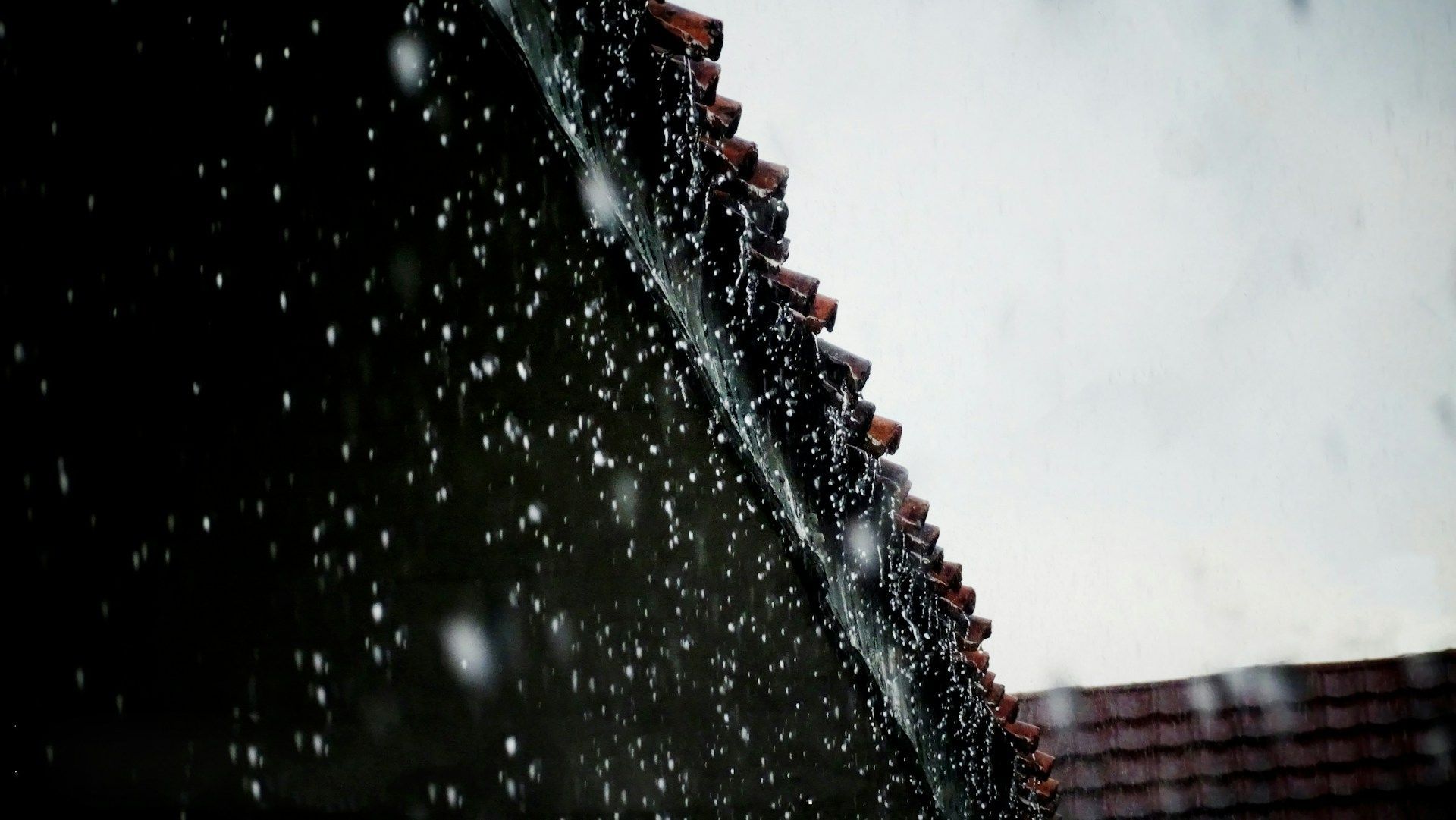
Kansas City weather can be hard on commercial roofs. When building owners do not plan for local conditions, even a new roof can start to fail sooner than expected.
One big problem is underestimating freeze and thaw cycles. In winter, temperatures drop below freezing, then swing back up. Moisture on the roof can freeze, expand, and then melt. Over time, this expansion and contraction can:
- Crack membranes
- Open seams
- Loosen flashings around walls and curbs
- Break down sealants
A roof that looks “fine” after winter might start leaking when spring and early summer rains arrive. By then, damage has already spread under the surface.
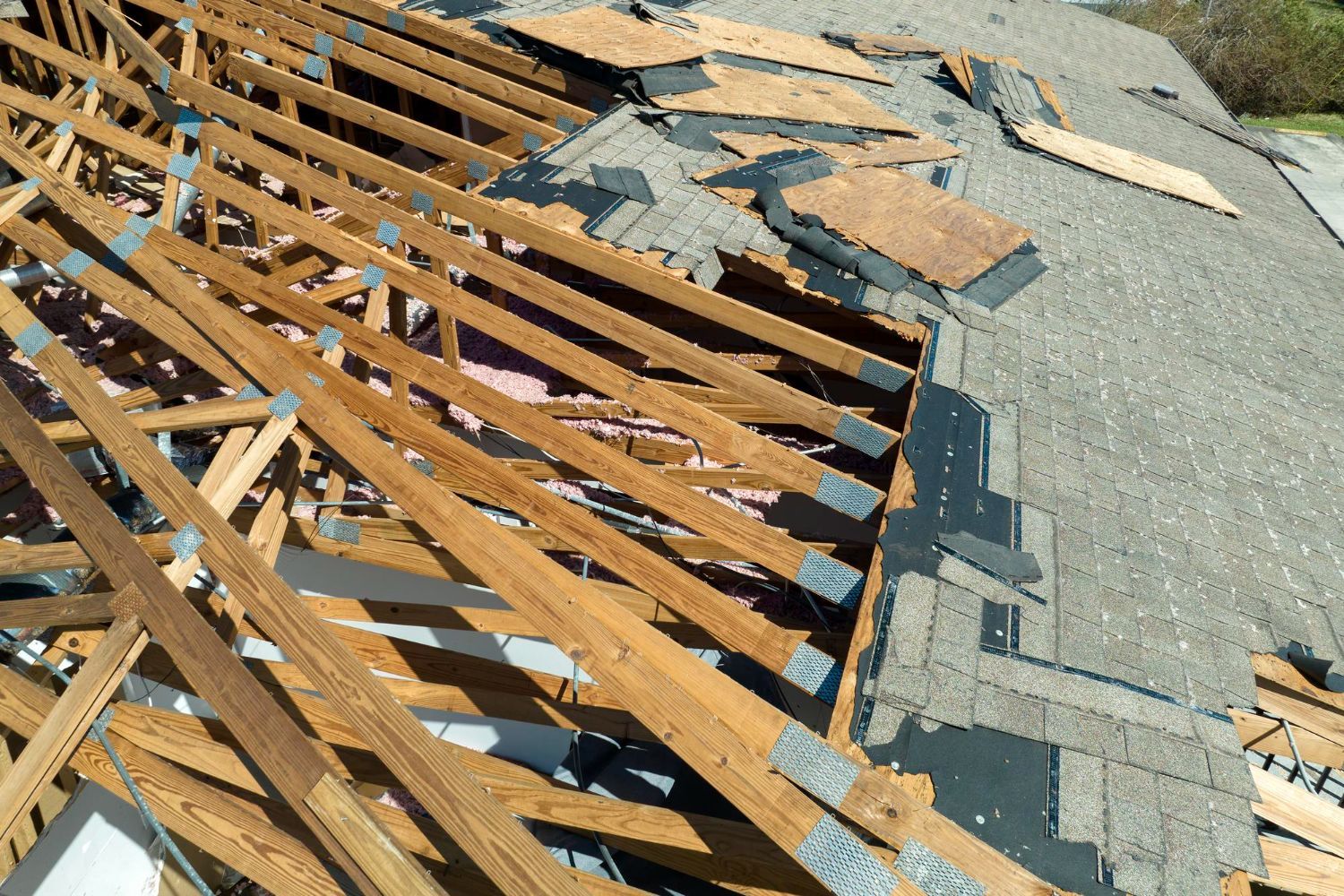
Wind and hail are another major issue. Strong spring and summer storms can:
- Bruise or puncture roofing materials
- Lift edges and corners
- Damage vents, flashings, and rooftop equipment
- Knock loose gravel or protective layers
From the ground, the roof might still look normal. That leads many owners to skip a professional inspection, which means small impact marks turn into bigger problems over time.
A third mistake is choosing materials based only on upfront cost or summer heat reflection, without thinking about winter stress and storm intensity. Commercial roofing in Kansas City needs to handle:
- Heat and UV in summer
- Freeze and thaw in winter
- Heavy rain and hail in between
Good planning means selecting a roof system built for year-round performance, not just one season.
Choosing the Wrong Roofing System for Your Building
Not every commercial roof system fits every type of building. A system that works well on a warehouse might struggle on a restaurant or medical office.
Interior use and conditions matter. Different buildings create different levels of:
- Humidity
- Heat
- Air movement
For example, kitchens and some industrial spaces can produce more moisture. If that moisture gets trapped under the roof membrane because of poor ventilation or the wrong insulation setup, it can lead to condensation, mold, and early material failure.
Roof slope and drainage are just as important. Many commercial buildings in Kansas City have low-slope or flat roofs. These roofs must be designed so water can leave the surface quickly. Common mistakes include:
- Not enough slope built into the deck or insulation
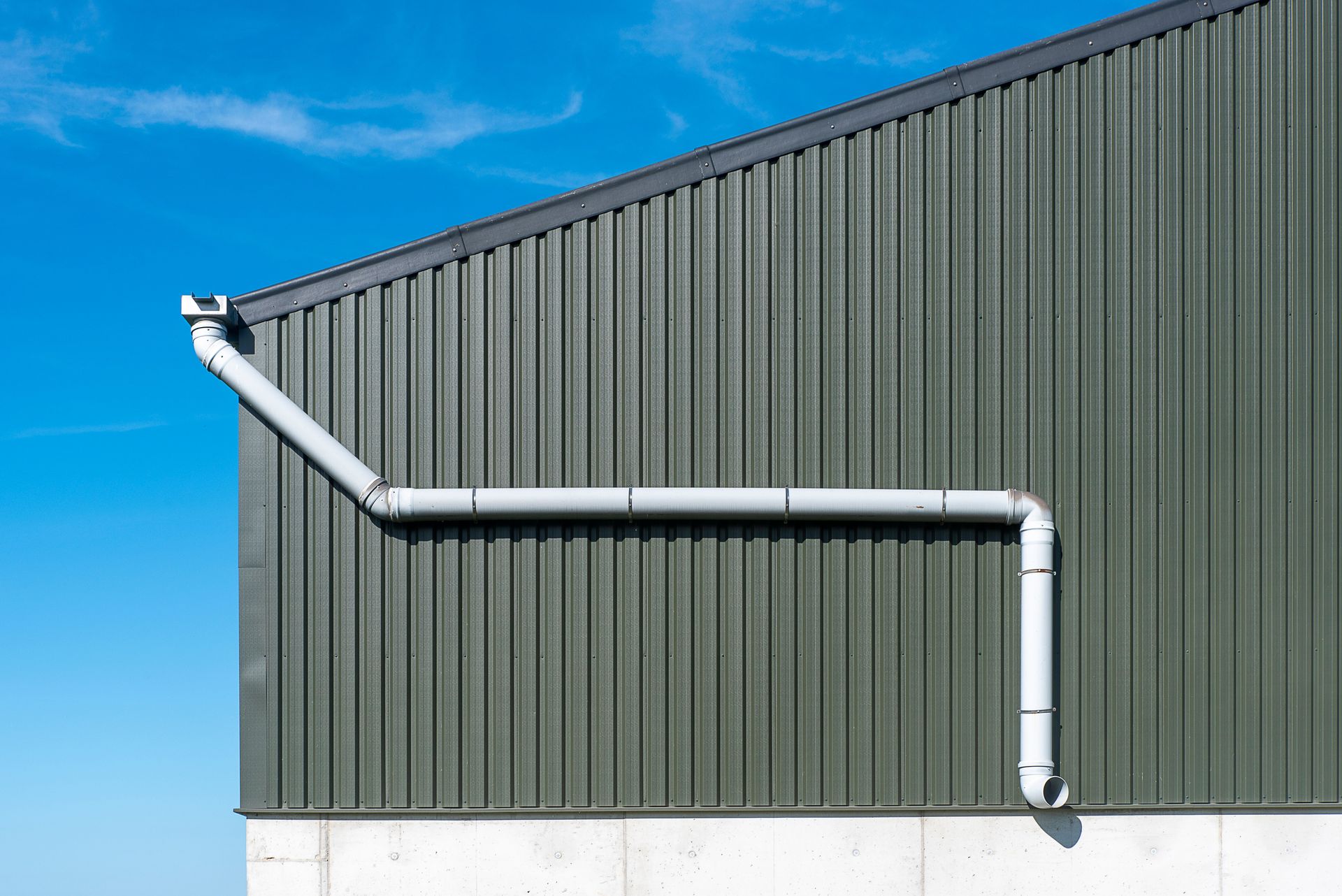
- Too few drains or scuppers
- Drains not sized or placed for heavy rain events
- Ignoring ponding water that lingers after storms
When water sits on the roof, it adds stress, finds weak spots, and can shorten the life of the whole system.
Another misstep is choosing only by price instead of long-term value. The cheapest option today can lead to:
- Shorter roof life
- More frequent repairs
- More disruption to tenants or operations
A better approach is to weigh lifespan, warranty terms, energy performance, and maintenance needs against your budget so you get a roof that fits both your building and your long-range plans.
Skipping Regular Roof Inspections and Maintenance
Many business owners do not think about the roof until water shows up inside. By the time there is a visible leak, the damage has usually been building for months.
Roofs should not be treated as “out of sight, out of mind.” On commercial roofing in Kansas City, small winter cracks, loose flashings, or clogged drains can combine with spring storms and suddenly appear as:
- Interior stains
- Wet insulation
- Damaged ceiling tiles
- Rusted metal components
Regular inspections break that cycle. A good rule of thumb is at least two professional inspections each year, plus checks after major hail or wind events. Key maintenance tasks include:
- Clearing leaves, branches, and trash
- Checking seams, laps, and flashings
- Inspecting penetrations around HVAC units, vents, and pipes
- Making sure drains, gutters, and scuppers are open and flowing
Another common mistake is sending untrained staff to handle roof issues. Well-meaning maintenance crews can:
- Puncture membranes with tools or dropped objects
- Block drainage paths without realizing it
- Use products that are not compatible with the roof system
- Work unsafely near edges or equipment
Working with experienced commercial roofing professionals helps protect both the roof and the people on it.
Overlooking Code, Warranty, and Safety Requirements
Commercial roofing in Kansas City must meet local building codes. When owners skip this step or rely on guesswork, they take on more risk than they realize.
Code requirements can include:
- Wind uplift ratings that match local storm risk
- Minimum insulation values for energy performance
- Fire ratings for roof coverings and decks
- Proper fastening and attachment methods
If a roof is installed without the right permits or inspections, businesses can face delays, required corrections, or problems with insurance.
Warranties are another area where mistakes are common. Many owners hear about a “20-year” or “30-year” warranty and think it covers any issue. In reality, most warranties:
- Require regular, documented maintenance
- Limit coverage if non-approved materials are used
- May not cover damage from ignored minor leaks
- Can be affected by unapproved repairs or alterations
Skipping maintenance or hiring someone unfamiliar with the system can put that warranty at risk.
Safety is also easy to overlook. Whenever anyone is on the roof, there should be a clear plan to:
- Prevent falls near edges and skylights
- Protect people inside from debris or tools
- Control access to work areas
- Coordinate with building operations
A thoughtful safety approach lowers the chance of accidents and reduces interruptions to daily business.
Delaying Roof Replacement Until It Becomes an Emergency
Many businesses fall into a pattern of patching the same problem areas again and again. Short-term fixes keep water out for a while, but they do not address the roof’s overall condition.
Over several seasons, this patch-only approach can lead to:
- Repeated leaks in the same spots
- Hidden moisture in insulation and decks
- Damage to inventory, equipment, or tenant finishes
At some point, continuing to patch becomes more expensive than planning a replacement.
A better strategy is to get an honest assessment of remaining roof life. With regular inspections and condition reports, you can see:
- Which sections need repair soon
- Which areas are still in good shape
- How many years of reasonable service the system likely has left
That information helps you plan capital projects instead of reacting in a panic.
Timing also matters. Waiting until a major failure forces an emergency replacement can limit your choices and make scheduling harder. Planning ahead allows you to:
- Choose materials that fit your building and climate
- Arrange work around busy business periods
- Aim for favorable weather windows for installation
When the roof is treated as a managed asset instead of a hidden problem, it supports your business instead of threatening it.
Get Started With Your Project Today
If your facility is ready for a roofing upgrade, we are here to help you plan the right solution from inspection through installation. Explore our
commercial roofing in Kansas City services to see how T-Mac Construction can protect your building, budget, and timeline. Tell us about your project goals and challenges, and we will provide clear recommendations, transparent pricing, and a schedule that works for your operations. When you are ready to move forward, simply
contact us to schedule a consultation.