Rainwater Management for Kansas City Commercial Roofs: Drainage and Gutters
Keep Summer Storms Off Your Bottom Line
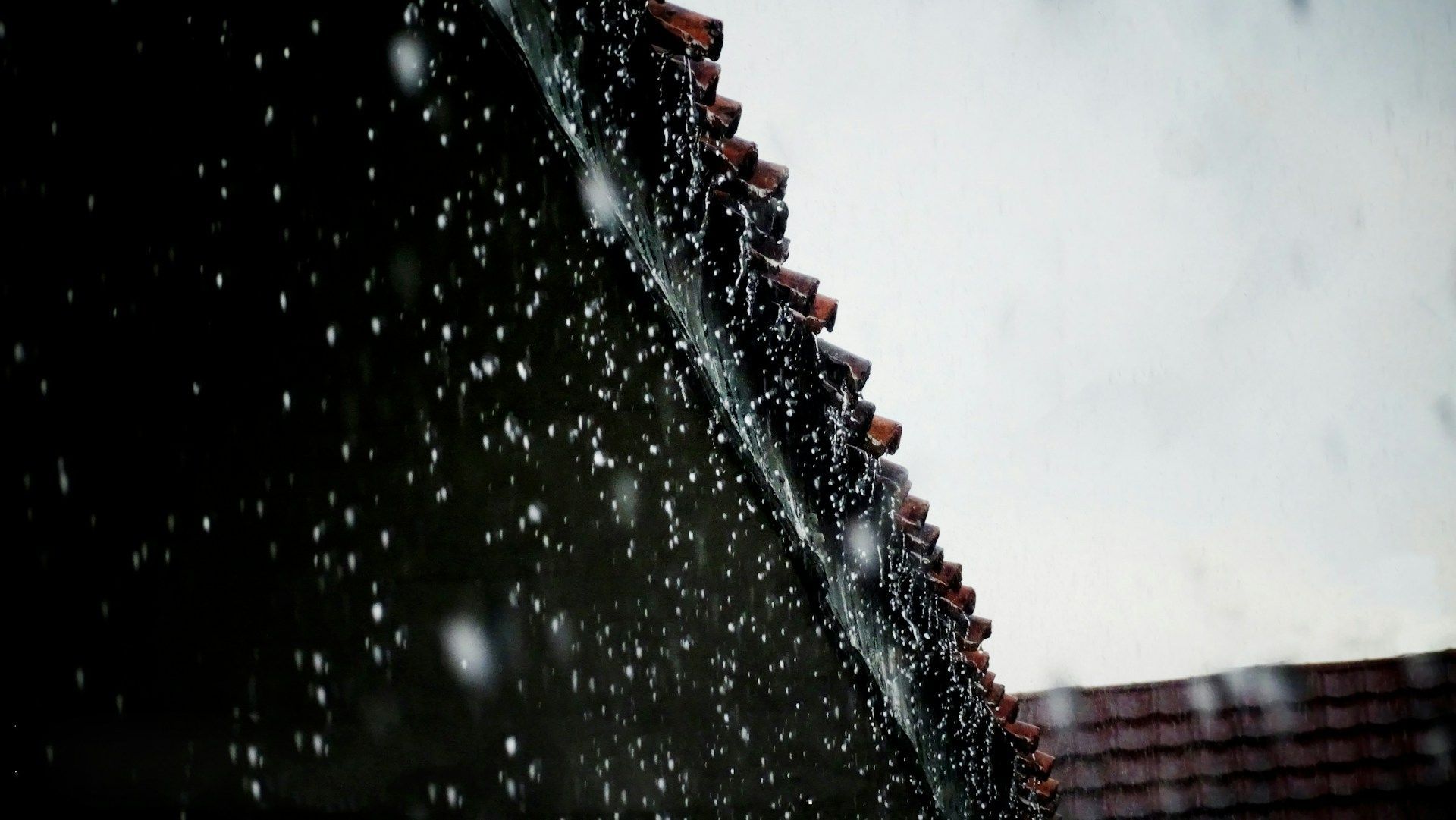
Heavy Kansas City rain can turn a good commercial roof into a big problem fast. When inches of water come down in a short time, your roof drainage either does its job or you start seeing leaks, stains, and worried tenants. The water has to go somewhere, and if it stays on the roof, it will find a weak spot.
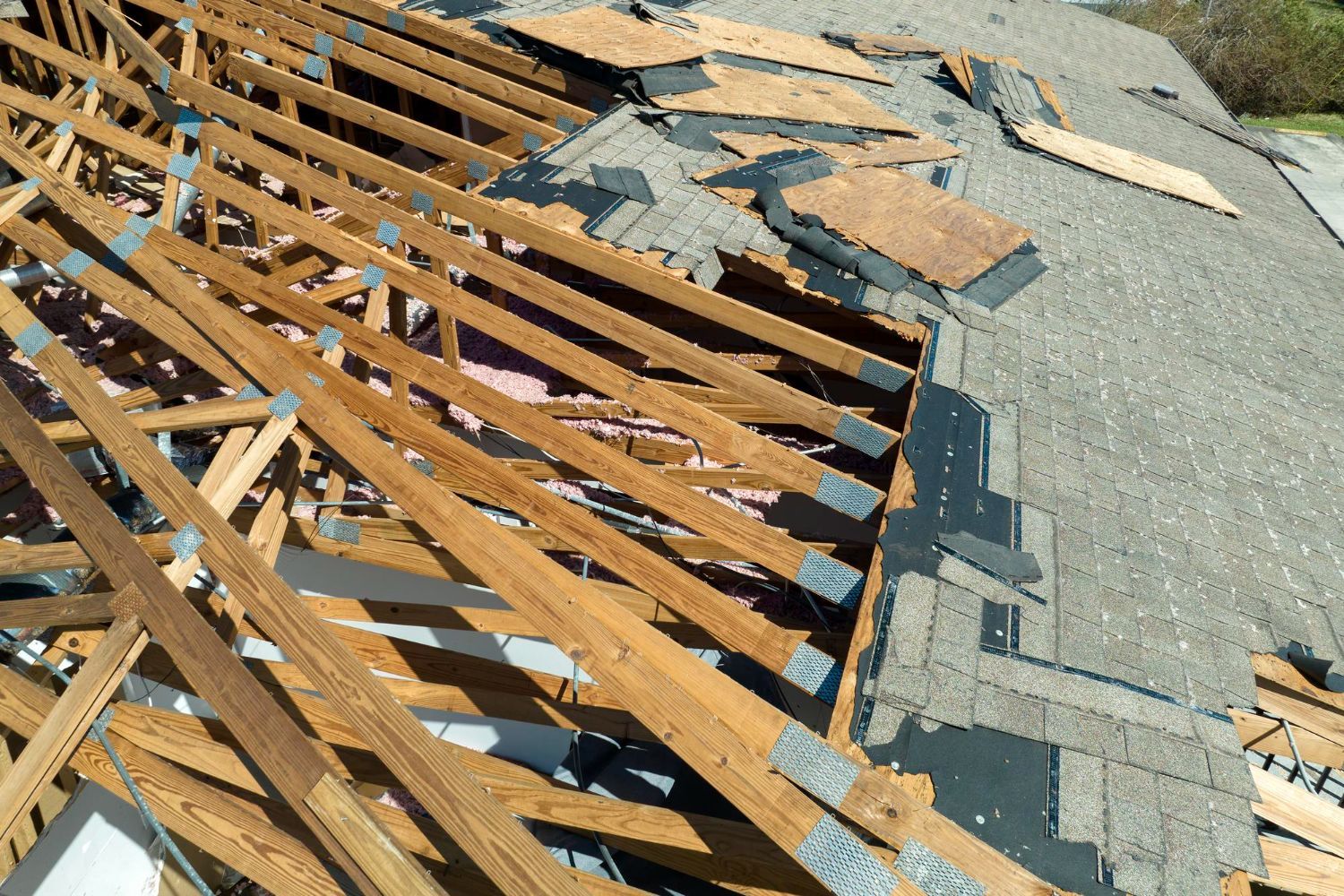
Poor rainwater management does more than leave puddles. It can lead to roof membrane damage, soaked insulation, safety hazards at entrances, and even shutdowns if leaks reach equipment or workspaces. Smart drainage design and care protect your building, your people, and your operations.
The roofing membrane gets a lot of attention, but how water leaves the roof is just as important for long-term performance and ROI. As a local contractor providing commercial roofing in Kansas City, we work with the storms and roof types common in this area, and we see every day how good drainage planning pays off.
How Rainwater Behaves on Flat and Low-Slope Roofs
Most commercial roofs are called flat, but in reality they have a slight slope. Low-slope roofs are similar, just with a bit more pitch. Both are much closer to flat than a typical house roof, which is why water tends to sit instead of rushing off.
On these surfaces, water moves slowly across the membrane. It hits seams, flashing, and penetrations like pipes or HVAC curbs. Any low spot becomes a small pond. Over time, those minor dips grow worse as materials age, insulation compresses, or structure shifts a little under load.
Common ponding locations include:
- Around rooftop HVAC units and curbs
- At transitions between roof areas or elevations
- Along parapet walls where water has fewer escape paths
- In areas where the roof deck has sagged slightly over the years
When water lingers, it breaks down the roof surface, seeps into insulation, and increases the risk of leaks. In winter, freeze-thaw cycles expand small cracks and open seams. Inside the building, that can show up as stained ceilings, dripping around lights, or damaged finishes. Over time, trapped moisture can shorten the life of the whole roof system.
Designing Effective Roof Drainage Systems
A good commercial roof drainage system starts with interior roof drains. These drains sit in low points and pull water into bowls that feed into piping inside the building, then out to the storm system. Strainers on top of the drains keep leaves, trash, and gravel from blocking the opening.
Slope design is just as important as the drains themselves. Roofs often rely on:
- Tapered insulation to create subtle, steady slopes
- Crickets behind large units or parallel to walls to split and direct water
- Saddles between drains to keep water from getting trapped in between
Without the right slope plan, even a big network of drains will not move water as it should.
Code requirements and good practice both call for planning for overflow. That means having enough drains and enough capacity to handle heavy Midwestern downpours without backing up across the roof. Overflow drains or scuppers give water a backup path if primary drains clog or are overwhelmed.
Ongoing care keeps all this working. Building owners and facility managers should:
- Have drains inspected on a schedule
- Clear debris before the stormy season
- Watch for slow drainage or water that sticks around more than a day
Catching these signs early can prevent a minor maintenance item from turning into a major leak.
Scuppers, Gutters, and Downspouts That Actually Work
For many commercial roofs with parapet walls, through-wall scuppers give water an exit path when interior drains cannot keep up. They act like overflow points, letting water spill through the wall to the outside instead of building up into a shallow lake on the roof. Overflow scuppers are usually set a bit higher, so they only kick in when water reaches a certain depth.
On roofs without parapets, or along eave edges, commercial-grade gutters and downspouts carry water down the wall. Leader heads or collector boxes can help control flow and reduce splashing, especially on taller buildings.
Key details that matter in Kansas City storms include:
- Correct sizing so gutters and downspouts can handle cloudbursts
- Strategic placement at low points along the roof edge
- Strong fastening to handle wind and driving rain
Scuppers and gutters are only part of the picture. They need to be tied into the wall system correctly, with proper flashing, sealants, and terminations. At ground level, water should drain away from the foundation to help avoid stains, erosion, icy areas in cold months, and foundation moisture problems.
Stopping Ponding Water Before It Stops Your Business
Most building codes and roof manufacturers define ponding water as water that remains on the roof more than about 48 hours after a rain. Even shallow water that seems harmless is a warning sign when it lingers that long. It points to a drainage or slope problem that will only get worse.
Common causes of ponding include:
- Insufficient original slope design
- A sagging or deflected roof deck
- Clogged or undersized drains and scuppers
- Rooftop equipment placed where it blocks water flow
- Old patches or layered repairs that created unintended dams
Long-term fixes focus on restoring positive drainage. That might mean adding tapered insulation on top of the existing roof to create new slopes, installing new drains or moving existing ones to better locations, or adding and resizing scuppers. In some cases, structural repairs are needed to correct a deck that has deflected under load or age.
Professional inspections from a local contractor who understands commercial roofing in Kansas City help property managers spot ponding patterns, soft spots, early membrane wear, and hidden drain issues. Addressing these early can prevent bigger leaks, mold concerns, and emergency roof work during the next big storm.
Put a Rain-Ready Plan in Place Before the Next Storm
Kansas City weather can shift quickly, so having a plan before the heaviest rain periods is smart. mid-summer and pre-fall roof assessments give you time to clear drains, check scuppers and gutters, and make repairs before the next line of storms rolls through.
A simple, repeatable maintenance plan can include:
- Regular roof cleanings to remove leaves, branches, and loose debris
- Documented inspections with photos so you can track changes over time
- Timely repairs to drainage components, flashing, and seams
- Reviews of rooftop equipment placement to keep water paths clear
At T-Mac Construction, we focus on protecting local commercial roofs with thoughtful drainage design, solid installation, and practical maintenance advice. A roof that sheds water the way it should does more than stay dry. It protects your building, your people, and your peace of mind every time the clouds open up.
Get Started With Your Project Today
If your facility is ready for a dependable upgrade, our team at T-Mac Construction is here to help you plan and execute every step. Explore our
commercial roofing in Kansas City solutions to find the right fit for your building’s needs and budget. We will assess your roof, explain your options clearly, and provide a detailed proposal so you can move forward with confidence. Have questions or need to schedule an inspection?
Contact us to get started.