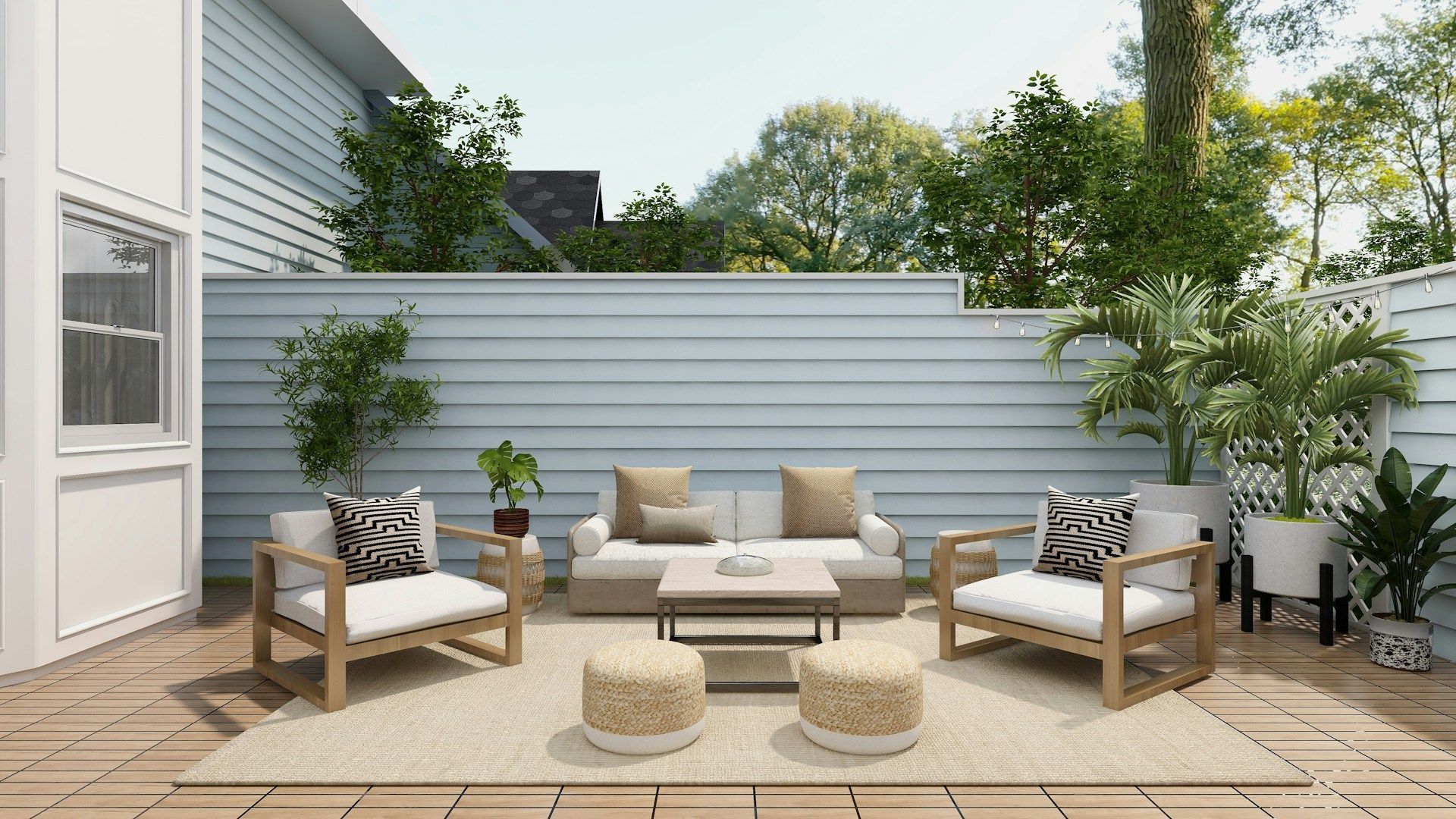
Understanding What Makes a Good Sunroom in Kansas City Homes
Enjoying Kansas City Sunshine All Year Long
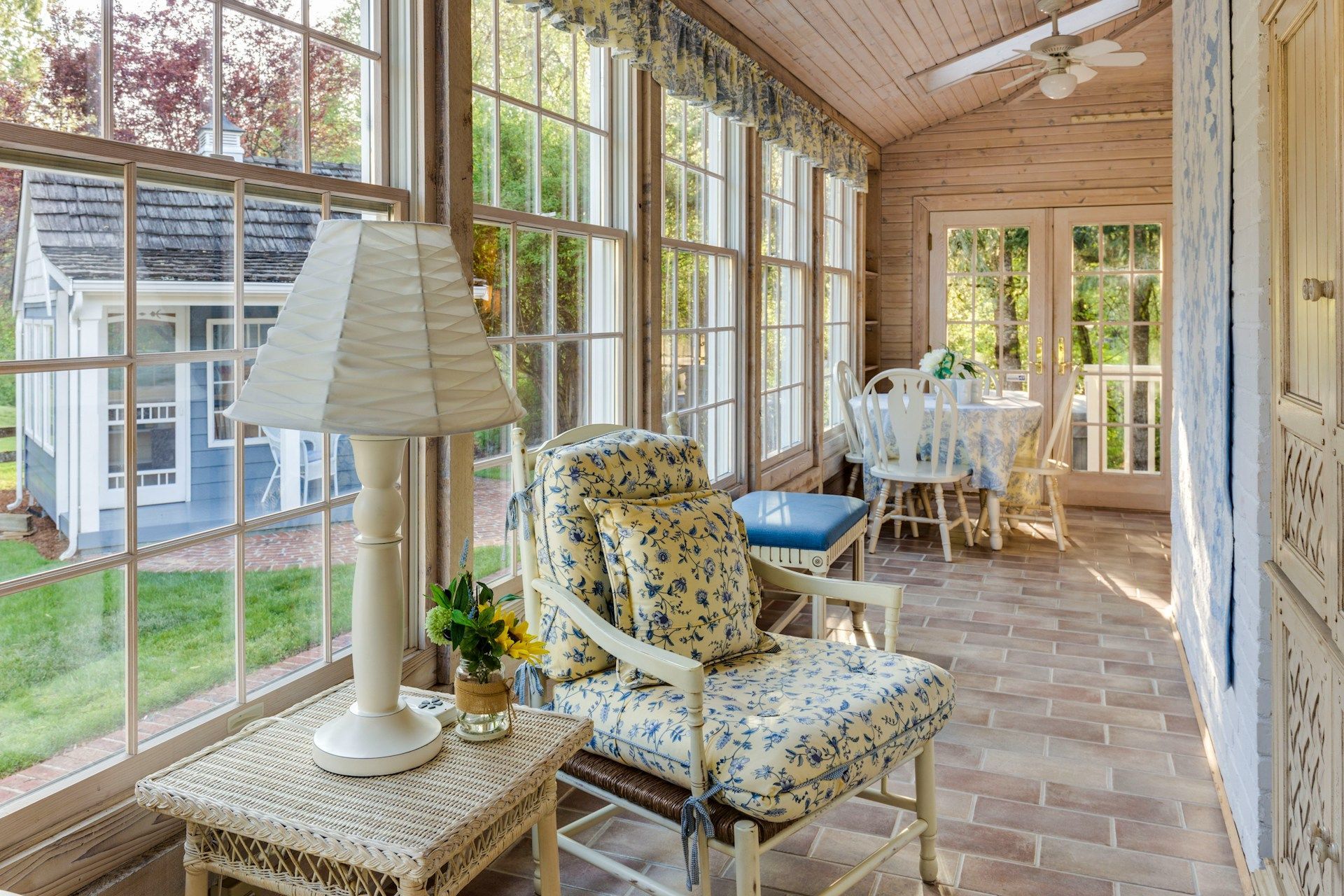
A good sunroom lets you soak up the light without dealing with the worst of the heat, cold, or bugs. In Kansas City, that can be a real challenge. We get hot, sticky summers, bitter winter days, and some pretty dramatic storms in between. If a sunroom is not built for that full range of weather, it might feel great for a few weeks, then sit empty the rest of the year.
So what makes a good sunroom for a Kansas City home? It comes down to comfort, smart design, and solid building choices that work for our four distinct seasons. When those pieces come together, you get a bright, welcoming space that feels like part of your home, not a flimsy porch with windows.
As a local construction company, we work in this climate every day. We understand how the weather shifts, how different neighborhoods look and feel, and how local codes shape what you can build. That helps us plan sunrooms that hold up to real Kansas City conditions while adding long-term value to your home.
What Makes a Good Sunroom Work for Kansas City Weather
The first step to a sunroom that actually earns its name is handling temperature swings. In our area, it can be freezing one week and T-shirt weather the next. Thin windows and leaky seams will not cut it.
Key parts that matter for comfort include:
- Insulation in walls, roof, and sometimes the floor
- Quality windows with tight seals
- Careful air sealing where the sunroom meets the existing house
Good insulation and windows help keep summer heat out and winter warmth in. Proper sealing around doors, windows, and trim keeps out drafts, moisture, and pests. When this base layer is done right, every other comfort feature works better.
A good sunroom in Kansas City also needs a plan for heating and cooling. That might mean:
- Tying into your home’s HVAC system
- Adding a mini-split unit for that room only
- Using ceiling fans to move air and reduce hot or cold spots
- Adding shading options like blinds, shades, or low-E glass to cut glare
Sun angle matters a lot too. We look at how your home sits on the lot. A room that gets strong afternoon sun might need more shading or glass with special coatings. A room that faces north might need more insulation and smart heating to stay cozy. Wind exposure, nearby trees, and your current HVAC system all play a part in how we design a sunroom that feels comfortable for more months of the year.
Designing a Sunroom That Fits Your Lifestyle
Not every sunroom has the same job. Before we talk about finishes or window styles, we like to ask how you plan to use the space. That answer shapes almost every design choice.
Common ways homeowners use a sunroom include:
- Relaxing retreat with comfy chairs and reading spots
- Extra family room for games, TV, and gathering
- Hobby or craft space with good natural light
- Plant room for houseplants that love bright windows
- Home office with a calmer feel than the main living area
- Casual dining area with a view of the yard
Once we know the main use, we can plan size and layout. A dining-focused sunroom needs room for a table and chairs and an easy path to the kitchen. A hobby room might need more outlets, work surfaces, and built-in storage. A family space might need room for a couch, chairs, and a clear line of sight to the backyard.
We also pay close attention to how the sunroom connects to the rest of the home. Things we look at include:
- Door placement and traffic flow in and out
- Steps or level changes that might affect safety
- Lighting and outlet locations for real-world use
- Storage for blankets, games, or gardening tools
Aesthetics matter too. A good sunroom should look like it has always belonged with the house. Matching rooflines, siding, windows, and trim helps the new space blend in. Inside, floors, wall colors, and ceiling details should connect with the style of the rooms nearby, so moving into the sunroom feels natural, not like stepping into a different building.
Materials and Features That Stand up to Midwest Conditions
Kansas City weather can be tough on building materials. Humidity, big temperature swings, and strong sun all put pressure on a sunroom. That is why material choices are so important.
Framing options often include:
- Wood, warm look and easy to finish, but needs good sealing and care
- Aluminum, slim profiles and strong, but can feel cooler to the touch
- Vinyl, low maintenance and good for moisture, with fewer finish options
- Composite, designed for durability and reduced warping
We help you weigh how each option will look, feel, and hold up over time in your specific setting.
Glass choices are another big part of what makes a good sunroom. Clear single-pane glass might seem cheaper up front, but it lets heat move in and out too easily. Many homeowners prefer double or triple-pane glass with gas fill and low-E coatings to cut heat gain and glare while keeping views clear. Safety glass, such as tempered or laminated, is important in case a pane ever breaks. Screens are also key, so you can open windows on mild days without inviting in every bug in the yard.
Flooring has to handle tracked-in dirt, sun, and possible moisture. Popular options include:
- Tile, easy to clean and handles temperature well
- Luxury vinyl plank, softer underfoot and water-resistant
- Sealed hardwood, warm look if protected correctly
- Finished concrete, durable and good for a more modern feel
We also think about drainage and roofing. A good sunroom needs roofing materials that stand up to hail, heavy rain, and snow loads, plus flashing and gutters that move water away from the structure. Proper slopes and drains help you avoid puddles and long-term damage.
Planning, Permits, and Budget for a Smart Sunroom Investment
Good planning is what turns a nice idea into a safe, lasting part of your home. Working with a local contractor from the start helps you spot issues before they become big problems.
Early planning steps often include:
- Checking setbacks and property lines
- Looking at how the sunroom will connect to the current foundation or deck
- Confirming that the existing structure can support the new load
- Thinking about access for construction without harming your yard more than needed
Most Kansas City area municipalities have permit rules for additions like sunrooms. There are usually requirements for structure, electrical work, and sometimes energy performance. Using a licensed contractor helps with drawings, permit applications, and inspections so the finished room meets current standards and supports future resale of your home.
When it comes to budget, the main drivers are usually:
- Size and shape of the sunroom
- Type and quality of glass and framing
- HVAC choices and electrical needs
- Interior finishes like flooring, trim, and lighting
The goal is not to pick every top-end option, but to choose features that make the room comfortable, safe, and durable. A good sunroom is one you actually use often, that feels solid in every season, and that fits the style and scale of your Kansas City home.
Get Started With Your Project Today
If you are still asking yourself
What makes a good sunroom, we can walk you through the options that match your home, lifestyle, and budget. At T-Mac Construction, we work with you to design a sunroom that feels natural, functions well year-round, and adds real value to your space. Reach out to us today through our
contact page so we can discuss your ideas and start planning a sunroom you will enjoy for years.