Decoding Commercial Roofing Warranties in Kansas City
Commercial roof warranties can feel confusing, especially when you only look at them after a leak shows up. Many Kansas City property managers think they are fully covered, and then find out the warranty does not apply to the problem on their roof. A little clarity up front can prevent a lot of stress, surprise costs, and finger-pointing later.
We work with commercial roofing in Kansas City every day, and we see how warranty details affect real buildings. In this article, we explain what these warranties really cover, what they do not, how our local weather plays into it, and how to protect your coverage over the life of your roof.
Make Sense of Your Commercial Roofing Warranty
A commercial roofing warranty is a written promise that certain parts of your roof will be repaired or replaced under set conditions. It matters for long-term protection, planning, and budgeting. When you know what is covered, you can plan maintenance and future projects with a lot more confidence.
Most building owners and managers run into three main types of coverage:
- Manufacturer material warranties
- Contractor labor or workmanship warranties
- Full system or NDL (No Dollar Limit) warranties
Each one speaks to different parts of your roof and different kinds of problems. We will break down key terms, common limits, how Kansas City weather comes into play, and how a careful approach with a trusted roofer can help you avoid unpleasant surprises.
Know the Main Types of Commercial Roof Warranties
Manufacturer material warranties cover roofing products themselves. These are issued by the company that makes the membrane, shingles, or other materials on your roof.
Typical points to know:
- They focus on defects in the roofing material, not on poor installation
- Coverage length often ranges from 10 to 30 years, depending on the product
- They often exclude damage from improper installation, lack of maintenance, or outside abuse
Labor and workmanship warranties come from the roofing contractor who installs the system. These are about how the materials were put on your building.
Here is what they usually cover:
- Leaks or problems caused by incorrect installation methods
- Defects related to flashing, seams, or details handled on site
- A shorter time frame than material warranties, often just the early years of the roof
Because workmanship coverage depends on the installer, the reputation and care of the roofing company can be just as important as what is written on the document.
Full system or NDL warranties go a step further. These can cover:
- Membrane
- Insulation
- Flashing
- Approved accessories and components as a complete system
An NDL warranty often means the manufacturer agrees to pay for covered repairs without a preset dollar cap, as long as all requirements are met. For Kansas City owners planning to keep a building long term, this kind of coverage can be a strong fit if the roof is installed and maintained the right way.
Key Warranty Terms Every KC Property Owner Must Understand
Warranty language can feel tricky, but a few key terms show up again and again.
- Limited vs. lifetime: “Limited” means there are specific conditions and exclusions. “Lifetime” sounds broad, but it usually ties to the expected life of the product, not the life of the building.
- Pro-rated: Coverage may drop as the roof gets older, so you might only receive part of the repair value in later years.
- NDL: No Dollar Limit, but only on covered issues that meet all rules in the warranty.
- Membrane-only: Coverage applies just to the roof membrane, not insulation, flashings, or other parts.
These details decide what happens in a real repair. For example, if a hailstorm damages flashings but you have a membrane-only warranty, that part might fall outside the covered scope.
Most warranties also list maintenance and inspection rules. Skipping regular checkups, especially before and after our storm seasons, can void coverage. Many documents expect:
- Routine inspections by a qualified roofer
- Prompt repairs of minor issues to prevent bigger damage
- Written records of what was found and fixed
Transferability is another big one. If you sell or refinance a property, you may need:
- A formal transfer form
- Proof of maintenance
- Approval from the manufacturer within a set time
Without that paperwork, coverage can shrink or end when ownership changes.
How Kansas City Weather Impacts Roof Warranty Choices
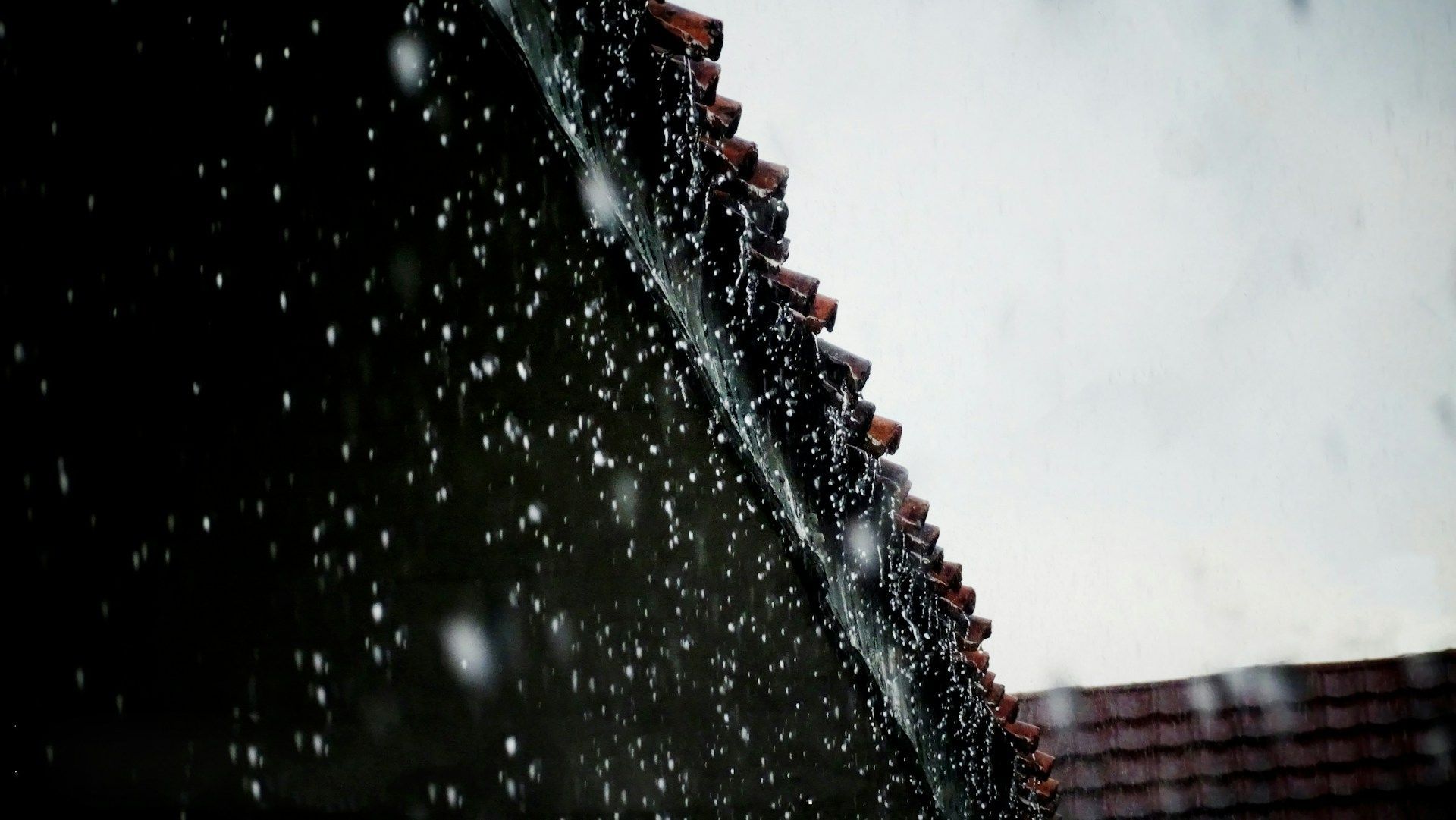
Commercial roofing in Kansas City has to handle a little bit of everything: hail, heavy spring rains, high winds, summer heat, and freeze-thaw cycles. Each of these stresses a roof in different ways.
For example:
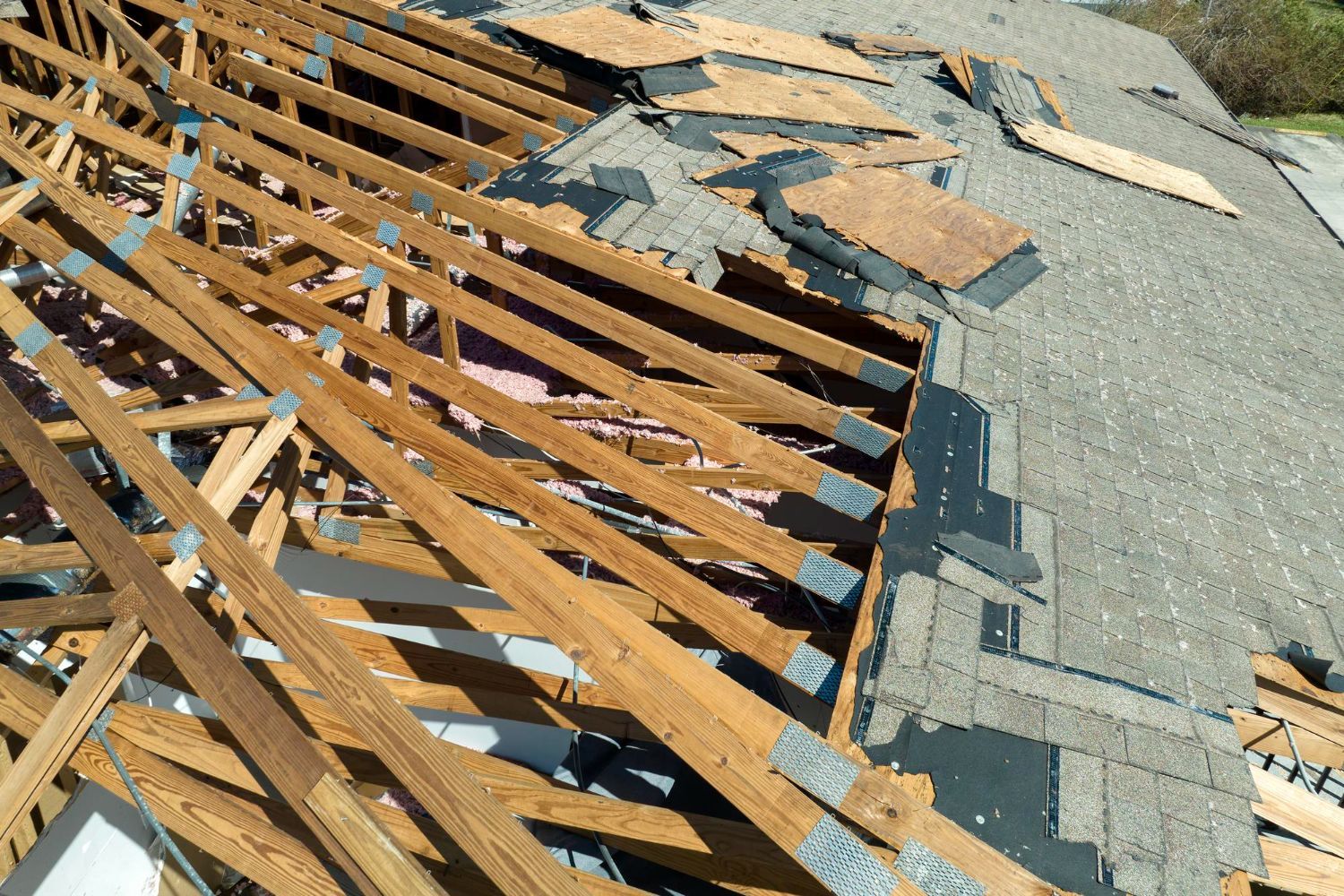
- Hail can bruise or puncture membranes
- Standing water from strong storms can lead to long-term damage
- High winds can lift edges or loosen flashings
- Heat and cold swings can cause materials to expand and contract
Many warranties include weather-related limits in the fine print. You might see:
- Hail size thresholds, such as coverage up to a certain hail diameter
- Wind speed caps, where damage above a listed speed is not covered
- Exclusions for ponding water that lasts beyond a stated time
- “Acts of God” language that can exclude extreme events
Reading and understanding these points is important in our area, where storms are a regular part of life.
Seasonal planning helps keep your coverage strong. It is smart to:
- Schedule inspections before spring storm season
- Check for damage and document conditions after major weather events
- Have another inspection before winter to catch open seams, loose flashings, or drainage issues
This pattern supports warranty claims and also extends the life of your roof by catching problems early.
Avoiding Warranty Voids During Roof Repairs and Upgrades
One of the fastest ways to lose warranty protection is to use unapproved repairs or installers. Many manufacturers require:
- Approved contractors for repair work
- Approved materials and details for patches or replacements
- Notice or approval before major changes on the roof
DIY fixes, like coatings or patches from the hardware store, can create more problems and void coverage. Even well-meaning maintenance staff can cause issues if they are not trained in that specific roofing system.
Roof modifications are another trouble spot. Adding or moving:
- HVAC units
- Solar panels
- Satellite dishes
- New vents or drains
all involve new penetrations or changed loading on the roof. If these changes are not flashed and documented the way the manufacturer requires, warranty coverage around those areas can disappear. It is important to coordinate these projects with your roofer so your warranty stays intact.
Good documentation is your friend. Keep:
- Invoices and work orders
- Inspection reports
- Photos before and after work
- A simple maintenance log
When a leak pops up, this history helps show that you met your responsibilities under the warranty.
Partner with a Roofing Team That Stands Behind Your Warranty
The best warranty in the world will not help much if the roof is not installed and cared for the right way. That is why the roofing team you choose matters as much as the warranty form. A careful contractor can help you select a warranty that fits your roof type, building use, and long-term plans, then make sure it is registered correctly and kept in good standing.
At T-Mac Construction in Kansas City, we focus on quality craftsmanship and strong client relationships. For commercial roofing, we help building owners and managers understand their options, plan inspections, review existing warranty documents, and respond quickly when storms or age start to show on the roof. With clear communication and consistent care, your commercial roof can stay protected and perform well for many years.
Get Started With Your Project Today
If your property is ready for an upgrade, our team at T-Mac Construction is here to help you plan and execute reliable commercial roofing in Kansas City. We will walk you through your options, timeline, and budget so you know exactly what to expect from start to finish. To discuss your project or request an estimate, simply contact us and we will follow up promptly.